More About This Card
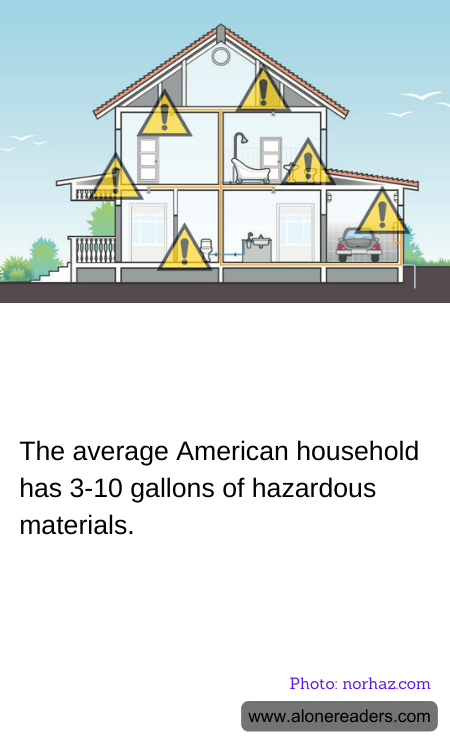
In the modern American household, the presence of hazardous materials is more common than many might assume. On average, a typical home contains anywhere from 3 to 10 gallons of potentially dangerous substances. These materials, often found in everyday products, can pose significant risks to health and the environment if not handled properly.
Household hazardous materials include a wide range of items such as cleaning agents, paints, pesticides, automotive fluids, and batteries. These products are essential for maintaining a clean and functional home, yet they contain chemicals that can be harmful if inhaled, ingested, or if they come into contact with skin. For instance, common cleaning supplies may contain ammonia or bleach, which can cause respiratory issues and skin irritation. Similarly, paints and solvents often contain volatile organic compounds (VOCs) that can contribute to indoor air pollution and long-term health problems.
The accumulation of these materials in homes is often due to a lack of awareness about their potential dangers and the proper methods for disposal. Many people are unaware that simply throwing these items in the trash can lead to environmental contamination. When hazardous materials end up in landfills, they can leach into the soil and groundwater, posing a threat to ecosystems and human health. Therefore, it is crucial for households to be informed about safe storage and disposal practices.
To mitigate the risks associated with household hazardous materials, it is important for individuals to take proactive steps. First, consumers should read labels carefully and choose products that are less harmful to the environment and health. Many manufacturers now offer eco-friendly alternatives that are just as effective as their traditional counterparts. Additionally, proper storage is key; hazardous materials should be kept in their original containers with labels intact, and stored in a cool, dry place away from children and pets.
Disposal of hazardous materials requires special attention. Many communities offer designated collection days or facilities where residents can safely dispose of these items. Participating in such programs helps ensure that hazardous waste is managed in a way that minimizes its impact on the environment. Furthermore, recycling programs for items like batteries and electronics can help reduce the amount of hazardous waste generated by households.
Education and awareness are vital in addressing the issue of hazardous materials in the home. By understanding the potential dangers and taking steps to reduce and properly manage these substances, individuals can contribute to a safer home environment and a healthier planet. As more people become informed and take action, the average amount of hazardous materials in American households can be significantly reduced, leading to a more sustainable future for all.