More About This Card
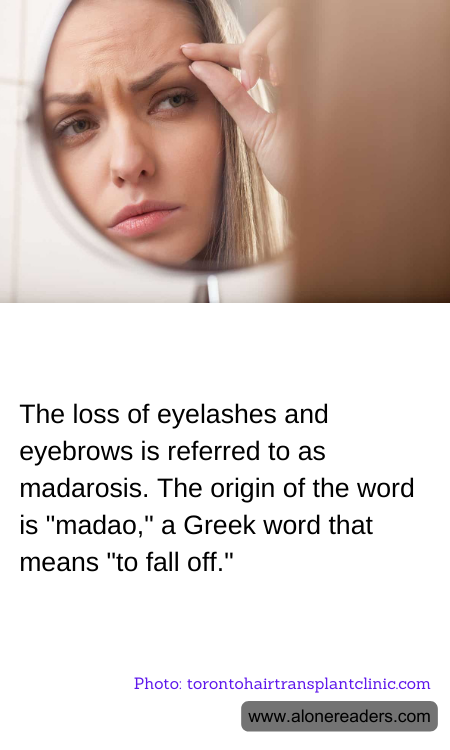
Madarosis is a condition that may not be widely known, yet it affects many individuals around the world. This term refers to the loss of eyelashes and eyebrows, a phenomenon that can have both physical and psychological impacts on those who experience it. The word "madarosis" originates from the Greek word "madao," which means "to fall off." This etymology aptly describes the condition, as it involves the shedding of these important facial features.
Eyelashes and eyebrows are not merely aesthetic features; they serve crucial protective functions. Eyelashes act as barriers, preventing dust, debris, and sweat from entering the eyes, while eyebrows help to divert moisture away from the eyes and play a significant role in facial expression and communication. The loss of these features can therefore lead to both practical challenges and emotional distress.
There are numerous causes of madarosis, ranging from medical conditions to lifestyle factors. Dermatological issues such as alopecia areata, a condition that causes hair loss, can lead to the loss of eyelashes and eyebrows. Other medical conditions, including thyroid disorders, lupus, and certain skin infections, can also contribute to madarosis. In some cases, chemotherapy and radiation treatments for cancer can result in temporary hair loss, including that of eyelashes and eyebrows.
Beyond medical causes, lifestyle factors such as stress, poor nutrition, and excessive grooming can also lead to madarosis. Nutritional deficiencies, particularly a lack of essential vitamins and minerals like biotin, zinc, and iron, can weaken hair follicles and lead to hair loss. Additionally, habits such as over-plucking eyebrows or using harsh cosmetics can damage hair follicles, resulting in madarosis.
Addressing madarosis involves identifying and treating the underlying cause. For those with medical conditions, consulting a healthcare professional is crucial to managing the condition effectively. Treatments may include medications, topical applications, or lifestyle changes to promote hair regrowth. In cases where madarosis is due to cosmetic practices, adopting gentler grooming habits and using nourishing products can help restore hair health.
For individuals experiencing the emotional impact of madarosis, support from mental health professionals or support groups can be beneficial. The psychological effects of losing eyelashes and eyebrows should not be underestimated, as they can affect self-esteem and social interactions. Encouraging open discussions about the condition can help reduce stigma and provide comfort to those affected.
In conclusion, madarosis is a condition that encompasses more than just the physical loss of eyelashes and eyebrows. Understanding its causes and implications is essential for effective management and support. By raising awareness and promoting compassionate care, we can help those affected by madarosis navigate their journey with confidence and resilience.