More About This Card
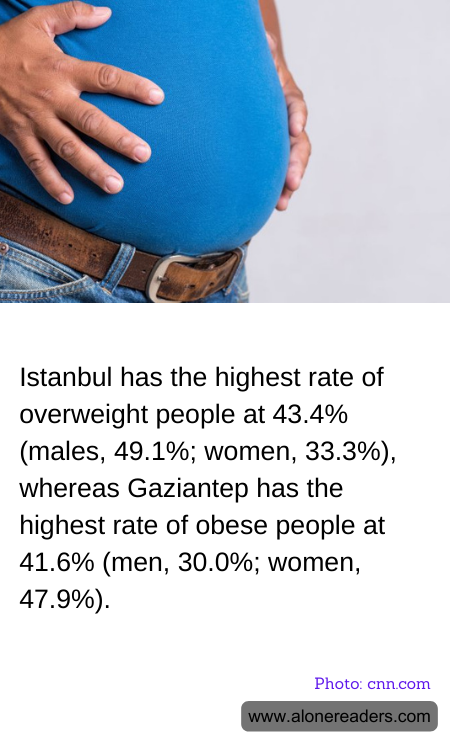
Istanbul and Gaziantep, two of Turkey's most vibrant cities, are facing significant public health challenges related to weight management. Recent statistics reveal that Istanbul has the highest rate of overweight individuals in the country, with 43.4% of its population falling into this category. The breakdown shows a higher prevalence among males at 49.1%, compared to 33.3% among females. Meanwhile, Gaziantep leads in obesity rates, with 41.6% of its residents classified as obese. This issue is more pronounced among women, with 47.9% affected, compared to 30.0% of men.
These figures highlight a growing concern for public health officials and communities alike. The reasons behind these statistics are multifaceted, involving lifestyle choices, dietary habits, and socio-economic factors. Istanbul, as a bustling metropolis, offers a fast-paced lifestyle that often leads to unhealthy eating habits. The convenience of fast food, combined with a sedentary lifestyle, contributes significantly to the high rate of overweight individuals. The city's vibrant culture and busy work schedules leave little time for regular physical activity, further exacerbating the issue.
In contrast, Gaziantep, known for its rich culinary heritage, faces challenges rooted in traditional dietary practices. The city's cuisine, while celebrated for its flavors, is often high in calories and fats. This, coupled with limited awareness about healthy eating and exercise, has led to a higher prevalence of obesity, particularly among women. Cultural norms and expectations may also play a role, influencing lifestyle choices and health outcomes.
Addressing these issues requires a comprehensive approach that involves education, community engagement, and policy interventions. Public health campaigns focusing on the benefits of a balanced diet and regular physical activity can help raise awareness. Schools and workplaces can play a crucial role by promoting healthier food options and encouraging physical exercise. Additionally, urban planning that facilitates active lifestyles, such as parks and pedestrian-friendly areas, can contribute to long-term health improvements.
Moreover, tackling these challenges necessitates a shift in cultural perceptions about body image and health. Encouraging open discussions about weight and health can help reduce stigma and promote supportive environments for individuals seeking to make healthier choices. Collaboration between government agencies, healthcare providers, and community organizations is essential to create sustainable solutions that address the root causes of overweight and obesity.
In conclusion, while Istanbul and Gaziantep face distinct challenges in managing weight-related health issues, both cities have the opportunity to lead by example in promoting healthier lifestyles. By fostering a culture of health and wellness, these cities can improve the quality of life for their residents and set a positive precedent for other regions grappling with similar concerns.