More About This Card
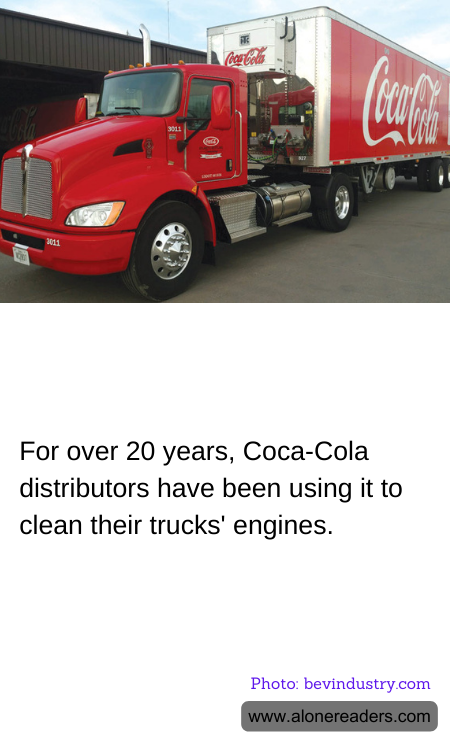
For over two decades, an intriguing practice has been quietly unfolding behind the scenes in the world of logistics and distribution. Coca-Cola, a beverage synonymous with refreshment and enjoyment, has found an unexpected role in the maintenance of truck engines. Distributors of this iconic drink have been utilizing Coca-Cola to clean their trucks' engines, a testament to the beverage's unique chemical properties and versatility beyond its intended purpose.
The use of Coca-Cola as a cleaning agent for engines might sound surprising at first, but it is rooted in the beverage's acidic nature. Coca-Cola contains phosphoric acid, a component that is effective in breaking down rust and corrosion. This makes it an excellent choice for cleaning metal surfaces, including the intricate parts of an engine. The mild acidity of Coca-Cola is gentle enough not to damage the metal, yet potent enough to remove grime and rust that accumulate over time. This dual capability makes it an attractive option for distributors looking to maintain their fleet without resorting to harsh chemicals.
In addition to its cleaning prowess, Coca-Cola is also readily available and cost-effective. For distributors who already have a steady supply of the beverage, using it as a cleaning agent is both convenient and economical. This practice not only helps in maintaining the engines but also aligns with a sustainable approach by repurposing a product that might otherwise go to waste. The simplicity of this method is appealing; it requires no special equipment or training, making it accessible to anyone with a bottle of Coca-Cola and a bit of elbow grease.
While the idea of using a soft drink to clean engines might raise eyebrows, it is a testament to the ingenuity and resourcefulness of those in the distribution industry. It highlights how everyday products can have unexpected applications, challenging us to think outside the box. This practice also underscores the importance of exploring alternative solutions that are both effective and environmentally friendly.
For those curious about trying this method, it is important to note that Coca-Cola should be used with caution and in moderation. While it can be effective for cleaning, it is not a substitute for regular engine maintenance and should be used as a supplementary measure. As with any cleaning process, it is essential to ensure that all residues are thoroughly rinsed off to prevent any potential damage.
In conclusion, the use of Coca-Cola by distributors to clean truck engines is a fascinating example of how a product can transcend its primary function. It serves as a reminder of the innovative spirit that drives industries to find practical solutions in unexpected places. Whether you're a fan of the beverage or simply intrigued by its versatility, this practice is a compelling story of creativity and resourcefulness in action.