More About This Card
The human body is a marvel of biological engineering, with its intricate systems working in harmony to sustain life. One of the most critical components of this system is blood, which performs essential functions such as transporting oxygen and nutrients, removing waste, and regulating body temperature. However, when a person loses a significant amount of blood, the body can enter a state of shock, a potentially life-threatening condition.
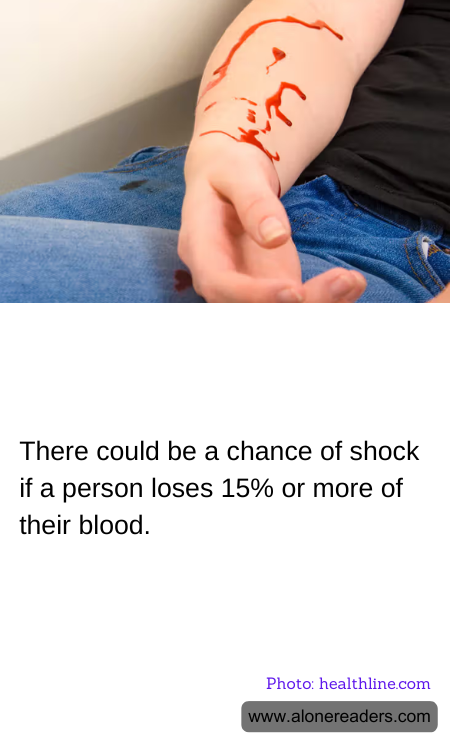
Shock occurs when the circulatory system fails to provide adequate blood flow to the body's tissues and organs. This can lead to a cascade of complications, as the organs are deprived of the oxygen and nutrients they need to function properly. A loss of 15% or more of the body's total blood volume can trigger this dangerous state. For an average adult with about 5 liters of blood, this equates to losing approximately 750 milliliters or more.
When such a significant blood loss occurs, the body initiates a series of compensatory mechanisms to maintain blood pressure and ensure continued blood flow to vital organs. The heart rate increases, blood vessels constrict, and the body redirects blood from less critical areas to essential organs like the brain and heart. Despite these efforts, if the blood loss continues or is not promptly addressed, the body's compensatory mechanisms can become overwhelmed, leading to a rapid decline in the individual's condition.
Symptoms of shock due to blood loss can vary but often include rapid heartbeat, weak pulse, rapid breathing, cold and clammy skin, confusion, and a drop in blood pressure. If left untreated, shock can progress to organ failure and, ultimately, death. Therefore, it is crucial to recognize the signs early and seek immediate medical attention.
Treatment for shock involves stopping the source of bleeding and restoring blood volume. This may include applying pressure to wounds, administering intravenous fluids, or, in severe cases, blood transfusions. Prompt medical intervention is vital to prevent irreversible damage and improve the chances of recovery.
Understanding the risks associated with significant blood loss and the potential for shock is essential for everyone. Whether it's a result of an accident, surgery, or a medical condition, knowing how to respond can make a critical difference. Educating oneself about first aid measures and being prepared to act quickly in emergencies can help save lives and reduce the severity of outcomes associated with blood loss and shock.