More About This Card
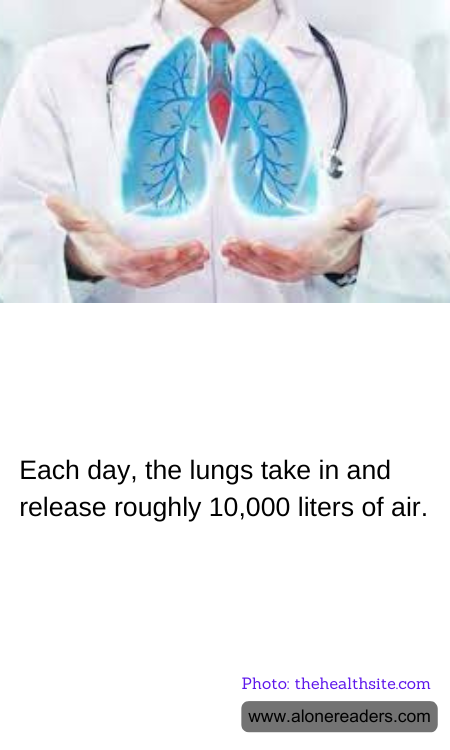
Every day, the human lungs perform a remarkable feat by taking in and releasing approximately 10,000 liters of air. This vital process, known as respiration, is essential for sustaining life, as it allows the body to obtain oxygen and expel carbon dioxide. The lungs, with their intricate structure and function, play a crucial role in this continuous exchange, ensuring that our bodies receive the oxygen needed to fuel cellular processes.
The lungs are a pair of spongy, air-filled organs located on either side of the chest. They are protected by the rib cage and are connected to the trachea, or windpipe, which serves as the main passageway for air to enter and exit the body. When we inhale, air travels down the trachea and into the bronchi, which are two large tubes that branch into each lung. From there, the air moves into smaller tubes called bronchioles, eventually reaching tiny air sacs known as alveoli. It is within these alveoli that the critical exchange of gases occurs.
Each alveolus is surrounded by a network of capillaries, which are tiny blood vessels. Oxygen from the inhaled air diffuses through the walls of the alveoli and into the blood in these capillaries. Simultaneously, carbon dioxide, a waste product of metabolism, diffuses from the blood into the alveoli to be exhaled. This efficient exchange is facilitated by the thin walls of the alveoli and the extensive surface area they provide, which is roughly the size of a tennis court when spread out.
Breathing is an involuntary process controlled by the respiratory center in the brainstem, which automatically regulates the rate and depth of breathing based on the body's needs. However, it can also be consciously controlled, allowing us to hold our breath or take deep breaths when necessary. The diaphragm, a dome-shaped muscle located beneath the lungs, plays a key role in breathing by contracting and relaxing to change the pressure in the chest cavity, drawing air in and pushing it out.
The sheer volume of air processed by the lungs each day underscores their importance and the need to keep them healthy. Factors such as air pollution, smoking, and respiratory infections can impair lung function and reduce their efficiency. Maintaining a healthy lifestyle, avoiding harmful substances, and engaging in regular physical activity can help preserve lung health and ensure they continue to perform their vital role effectively.
In conclusion, the lungs' ability to handle around 10,000 liters of air daily is a testament to their complex and efficient design. This continuous cycle of inhalation and exhalation not only sustains life but also highlights the importance of caring for these vital organs. By understanding and appreciating the lungs' function, we can take proactive steps to protect and maintain their health, ensuring they serve us well throughout our lives.