More About This Card
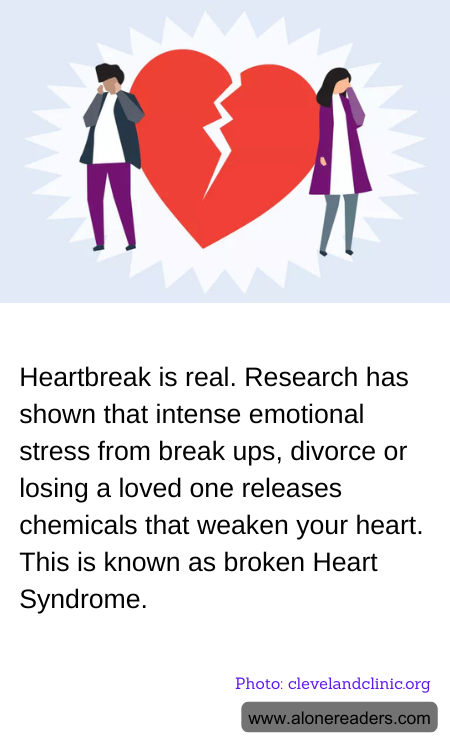
Heartbreak is a universally understood experience, often depicted in literature, music, and art as a profound emotional turmoil. However, beyond the metaphorical, heartbreak can manifest in a very real, physiological way. Recent research has illuminated the connection between intense emotional stress and physical heart health, a condition known as Broken Heart Syndrome, or Takotsubo cardiomyopathy.
This syndrome is characterized by a sudden weakening of the heart's left ventricle, the chamber responsible for pumping oxygenated blood to the rest of the body. It is often triggered by acute emotional stress, such as the end of a significant relationship, divorce, or the death of a loved one. During these distressing events, the body releases a surge of stress hormones like adrenaline, which can temporarily damage the heart's ability to pump effectively.
Unlike a heart attack, which is caused by blocked arteries, Broken Heart Syndrome does not involve any blockages. Instead, the heart's shape changes, resembling a Japanese octopus trap called a "takotsubo," which is how the condition got its name. This change in shape can lead to symptoms similar to a heart attack, such as chest pain, shortness of breath, and irregular heartbeats. Fortunately, with proper medical care, most people recover fully within weeks, but the experience can be frightening and debilitating.
The phenomenon underscores the profound connection between our emotional and physical health. It serves as a reminder that our hearts are not just mechanical pumps but are deeply intertwined with our emotional well-being. The stress of a breakup or loss can feel overwhelming, and it's crucial to acknowledge these feelings and seek support. Talking to friends, family, or mental health professionals can provide comfort and help mitigate the emotional strain.
Moreover, self-care practices such as mindfulness, meditation, and regular physical activity can play a significant role in managing stress and promoting heart health. These practices help regulate the body's stress response, reducing the risk of experiencing Broken Heart Syndrome. It's also important to maintain a balanced diet and get adequate sleep, as these factors contribute to overall well-being.
In a world where emotional resilience is often undervalued, understanding the real impact of heartbreak on our physical health is vital. It encourages a more compassionate approach to emotional pain, recognizing that the heartache we feel is not just in our minds but can have tangible effects on our bodies. By acknowledging the seriousness of Broken Heart Syndrome, we can better support ourselves and others through the inevitable challenges of love and loss.