More About This Card
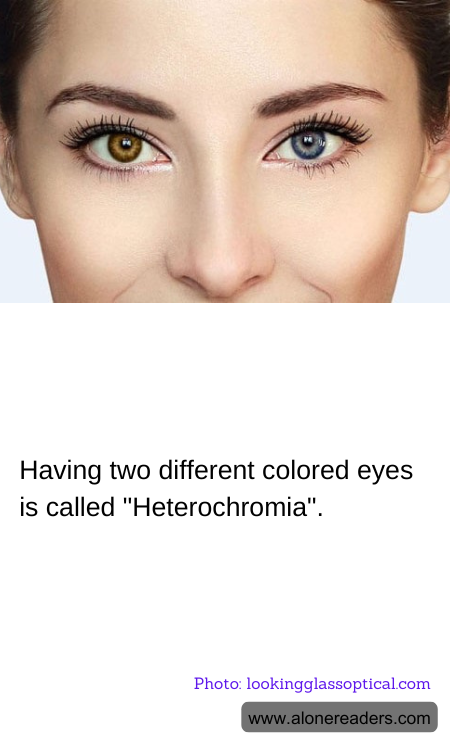
Heterochromia is a fascinating genetic condition that results in an individual having two different colored eyes. This unique trait can occur in humans as well as in animals, and it often captures the curiosity and admiration of those who encounter it. While heterochromia is relatively rare, it is a striking example of the diversity and complexity of genetic expression.
The term "heterochromia" is derived from the Greek words "heteros," meaning different, and "chroma," meaning color. This condition can manifest in several forms. Complete heterochromia is when each eye is a distinctly different color, such as one blue eye and one brown eye. Partial heterochromia, also known as sectoral heterochromia, occurs when a single eye contains two different colors, such as a brown segment within a blue eye. Central heterochromia is characterized by a ring of color around the pupil that is different from the rest of the iris.
Heterochromia is usually benign and does not affect vision or eye health. It is often hereditary, passed down through generations, but it can also result from genetic mosaicism, where different cells within the same individual have different genetic makeup. In some cases, heterochromia can be acquired later in life due to injury, inflammation, or certain medical conditions, although this is less common.
The genetic basis of heterochromia involves the distribution and concentration of melanin, the pigment responsible for eye color. Variations in the genes that control melanin production can lead to the development of different eye colors. While the exact genetic mechanisms are complex and not fully understood, it is known that multiple genes are involved in determining eye color, and heterochromia can result from variations in these genes.
In the animal kingdom, heterochromia is often seen in cats, dogs, and horses. Breeds such as the Siberian Husky and the Turkish Van cat are known for their striking heterochromatic eyes. In humans, heterochromia is often associated with a sense of mystery and allure, and it has been celebrated in popular culture through characters in films and literature.
Despite its rarity, heterochromia serves as a reminder of the incredible diversity of human and animal genetics. It highlights the beauty of individuality and the intricate ways in which our genetic code can manifest. For those with heterochromia, it can be a unique and defining feature, often sparking conversations and interest from others.
In conclusion, heterochromia is a captivating condition that exemplifies the wonders of genetic variation. Whether inherited or acquired, it adds a touch of uniqueness to those who possess it, making them stand out in a world where differences are often celebrated. As science continues to unravel the mysteries of genetics, heterochromia remains a beautiful testament to the complexity and diversity of life.