More About This Card
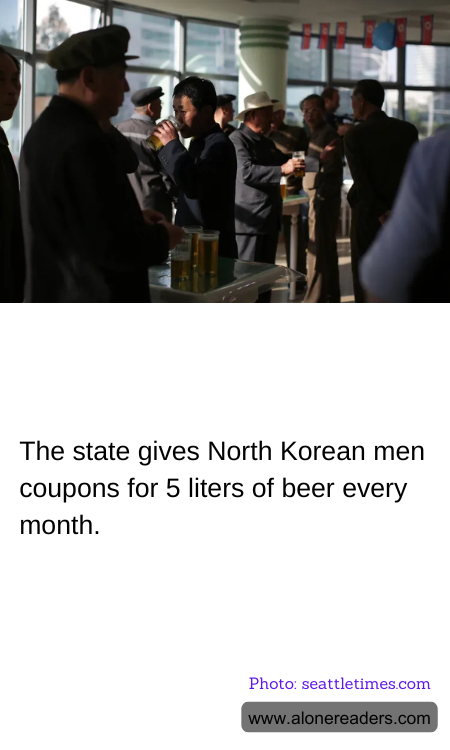
In a country often characterized by its strict governance and limited personal freedoms, North Korea has introduced a unique initiative that has caught the attention of international observers: the provision of monthly beer coupons to its male citizens. This policy, which grants North Korean men coupons for five liters of beer each month, offers a glimpse into the state's approach to managing social welfare and public morale.
The distribution of beer coupons can be seen as part of a broader strategy by the North Korean government to provide certain comforts and maintain a semblance of normalcy in the lives of its citizens. In a nation where economic challenges and international sanctions have significantly impacted daily life, such initiatives may serve as a means to boost morale and offer a small reprieve from the hardships faced by many. Beer, often considered a luxury in North Korea, becomes more accessible through this state-sponsored program, potentially fostering a sense of goodwill among the populace.
This policy also reflects the government's understanding of the cultural significance of beer in social settings. In many societies, beer is more than just a beverage; it is a social lubricant that facilitates gatherings and fosters community bonds. By ensuring that men have access to beer, the state may be encouraging social cohesion and providing an outlet for relaxation and camaraderie. This could be particularly important in a society where public expressions of dissent are not tolerated, and social gatherings offer a rare opportunity for personal interaction and leisure.
However, the beer coupon initiative raises questions about gender equality and the role of women in North Korean society. The policy appears to be exclusively targeted at men, which may reinforce traditional gender roles and highlight existing disparities. While the provision of beer may be intended to enhance social welfare, it inadvertently underscores the need for more inclusive policies that address the needs and contributions of all citizens, regardless of gender.
Moreover, the implementation of such a program also sheds light on the state's priorities and resource allocation. In a country where food scarcity and economic difficulties are prevalent, the decision to allocate resources towards beer distribution may be seen as controversial. Critics might argue that these resources could be better utilized in addressing more pressing issues such as food security, healthcare, and infrastructure development.
In conclusion, the North Korean government's initiative to provide monthly beer coupons to men is a multifaceted policy that reflects both the state's efforts to manage public morale and the complexities of resource allocation in a challenging economic environment. While it offers a rare glimpse into the state's approach to social welfare, it also highlights ongoing issues related to gender equality and resource prioritization. As with many aspects of life in North Korea, this policy is a reminder of the intricate balance between state control and individual well-being in one of the world's most secretive nations.