More About This Card
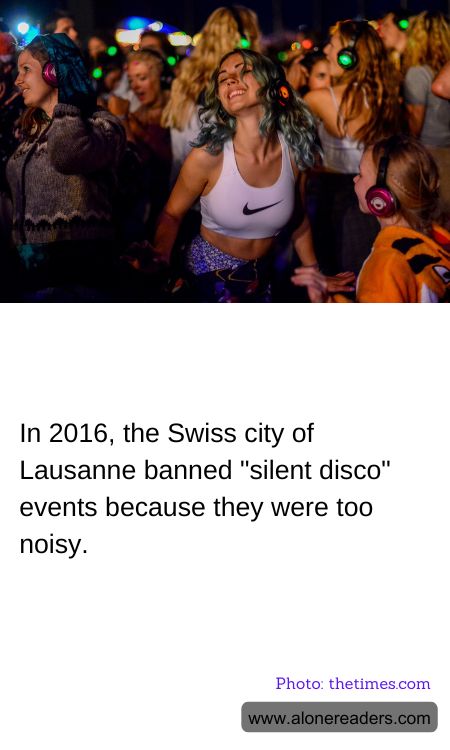
In a surprising twist of irony, the Swiss city of Lausanne found itself at the center of a noise controversy in 2016, not because of blaring speakers or raucous crowds, but due to the seemingly innocuous "silent disco" events. These events, characterized by participants wearing wireless headphones to dance to music that only they can hear, were initially embraced as a novel solution to noise complaints typically associated with traditional outdoor parties. However, the city council's decision to ban these events highlighted an unexpected issue: the noise generated by the revelers themselves.
Silent discos, which have gained popularity worldwide for their unique approach to nightlife, allow participants to choose from multiple music channels, each offering a different genre or DJ. This innovation was intended to minimize noise pollution, as the music is transmitted directly to the headphones, leaving the surrounding environment relatively quiet. However, in Lausanne, the silent discos inadvertently led to a different kind of disturbance. The collective sounds of hundreds of people singing, shouting, and dancing in unison, albeit without music, created a cacophony that was anything but silent.
Residents living near popular silent disco venues began to voice their concerns, noting that the events, which often continued late into the night, disrupted their peace and quiet. The laughter, conversations, and occasional outbursts from enthusiastic dancers were amplified in the quiet of the night, leading to numerous complaints. The city council, faced with the challenge of balancing the interests of nightlife enthusiasts and local residents, ultimately decided to impose a ban on these events.
This decision sparked a debate about urban living and the challenges of accommodating diverse lifestyles within shared spaces. Supporters of the ban argued that it was necessary to preserve the tranquility of residential areas, while critics contended that it stifled cultural expression and innovation. The ban also raised questions about the effectiveness of silent discos as a solution to noise pollution, prompting event organizers to reconsider their approach.
In the years since the ban, Lausanne has continued to explore ways to foster a vibrant nightlife while respecting the needs of its residents. The city's experience with silent discos serves as a reminder that even the most well-intentioned innovations can have unforeseen consequences. As urban areas around the world grapple with similar issues, Lausanne's story underscores the importance of finding creative solutions that balance enjoyment and community harmony.
Ultimately, the silent disco saga in Lausanne highlights the complexities of modern urban living, where the quest for entertainment and the desire for peace must coexist. It serves as a case study in how cities can navigate the challenges of noise management, encouraging dialogue and collaboration between residents, event organizers, and policymakers to create environments that are both lively and livable.