More About This Card
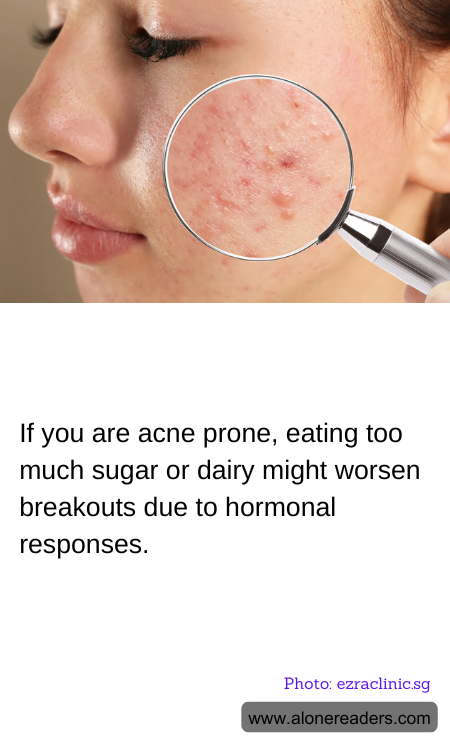
Acne is a common skin condition that affects people of all ages, often causing distress and impacting self-esteem. While genetics and hormones play significant roles in the development of acne, lifestyle factors, particularly diet, can also influence the severity and frequency of breakouts. Among the dietary components that have been scrutinized, sugar and dairy products are frequently highlighted as potential culprits that may exacerbate acne, especially in those who are already prone to this condition.
The connection between sugar intake and acne is primarily linked to the body's hormonal responses. Consuming high amounts of sugar can lead to spikes in insulin levels. Insulin is a hormone that helps regulate blood sugar, but when present in excess, it can trigger the production of other hormones, such as androgens. These hormones can increase the activity of sebaceous glands, leading to more oil production in the skin. This excess oil, combined with dead skin cells, can clog pores and create an environment conducive to acne-causing bacteria. Consequently, a diet high in sugary foods and beverages may contribute to more frequent and severe acne breakouts.
Similarly, dairy products have been implicated in acne development due to their potential hormonal effects. Milk and other dairy products contain hormones and bioactive molecules that can influence the body's own hormonal balance. For instance, dairy consumption has been associated with increased levels of insulin-like growth factor 1 (IGF-1), a hormone that can stimulate sebaceous gland activity and promote inflammation, both of which are key factors in acne formation. Some studies suggest that skim milk, in particular, may have a stronger association with acne than whole milk, possibly due to the processing methods and added ingredients.
While the relationship between diet and acne is complex and varies among individuals, those who are acne-prone may benefit from monitoring their intake of sugar and dairy. Reducing consumption of sugary snacks, sodas, and desserts, as well as opting for dairy alternatives like almond or oat milk, could potentially help in managing acne. However, it is essential to approach dietary changes with balance and moderation, ensuring that nutritional needs are met.
It is important to note that while diet can influence acne, it is not the sole factor. A comprehensive approach that includes proper skincare, stress management, and, when necessary, medical treatment from a dermatologist, is often the most effective way to manage acne. For those considering dietary adjustments, consulting with a healthcare professional or a registered dietitian can provide personalized guidance and support.
In conclusion, while more research is needed to fully understand the intricate relationship between diet and acne, there is evidence to suggest that reducing sugar and dairy intake may benefit those who are prone to breakouts. By being mindful of dietary choices and adopting a holistic approach to skincare, individuals can take proactive steps towards achieving clearer, healthier skin.