More About This Card
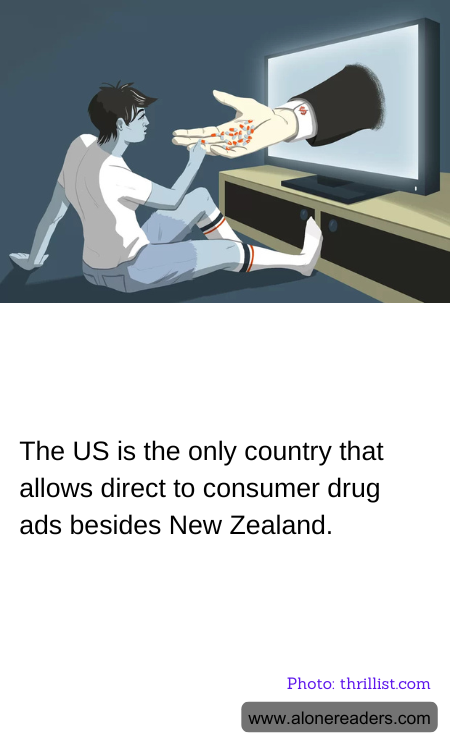
In the realm of pharmaceutical marketing, the United States and New Zealand stand out as the only two countries that permit direct-to-consumer (DTC) advertising of prescription drugs. This unique allowance has sparked considerable debate over its implications on public health, consumer behavior, and the healthcare system at large.
In the United States, DTC pharmaceutical advertising has been legal since the late 1990s, following a relaxation of regulations by the Food and Drug Administration (FDA). This change allowed drug manufacturers to communicate directly with consumers through various media channels, including television, print, and online platforms. The primary goal of these advertisements is to inform potential patients about available treatments, encouraging them to discuss these options with their healthcare providers.
Proponents of DTC advertising argue that it empowers consumers by increasing awareness of medical conditions and available treatments. By providing information directly to the public, these ads can prompt individuals to seek medical advice for conditions they might otherwise ignore. This can lead to earlier diagnoses and more effective management of diseases. Additionally, advocates claim that DTC advertising fosters competition among pharmaceutical companies, potentially driving innovation and leading to the development of new and improved medications.
However, critics of DTC advertising raise significant concerns about its impact on healthcare. One major issue is the potential for these ads to mislead consumers. While they are required to present both the benefits and risks of a drug, the presentation often emphasizes the positive aspects, sometimes downplaying the potential side effects. This can lead to patients requesting specific medications from their doctors, even when they may not be the most appropriate treatment option. Moreover, the persuasive nature of these advertisements can contribute to the over-medicalization of society, where normal life experiences are increasingly viewed through a medical lens.
Another concern is the influence of DTC advertising on healthcare costs. The marketing expenses incurred by pharmaceutical companies are often passed on to consumers in the form of higher drug prices. This can place a financial burden on patients and the healthcare system as a whole. Additionally, the focus on newer, often more expensive medications can overshadow the availability of equally effective, lower-cost generic alternatives.
In contrast, New Zealand's approach to DTC advertising is more restrained, with stricter regulations governing the content and presentation of these ads. Despite this, the presence of DTC advertising in both countries highlights a broader conversation about the role of pharmaceutical companies in public health education and the balance between commercial interests and patient welfare.
As the debate continues, it remains crucial for consumers to approach DTC advertisements with a critical eye, seeking guidance from healthcare professionals to make informed decisions about their treatment options. The unique position of the United States and New Zealand in allowing these ads underscores the ongoing tension between consumer empowerment and the ethical responsibilities of pharmaceutical marketing.