More About This Card
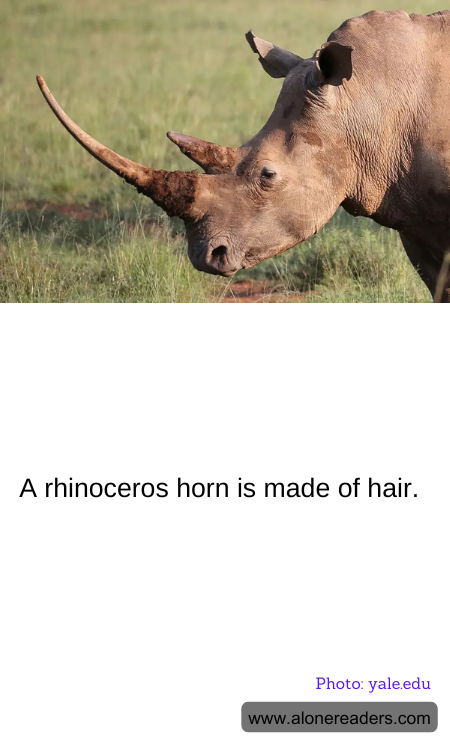
Rhinoceroses are among the most majestic and intriguing creatures on our planet, often recognized for their imposing size and distinctive horns. While these horns are commonly associated with strength and power, their composition is a fascinating subject that often surprises many. Unlike the horns of other animals, which are typically made of bone, a rhinoceros horn is composed entirely of keratin, the same protein that constitutes human hair and nails.
This unique composition sets the rhinoceros horn apart in the animal kingdom. Keratin is a fibrous structural protein that provides strength and resilience, which is why it is found in various parts of the body across different species. In the case of the rhinoceros, the horn is essentially a compacted mass of keratin fibers, densely packed and growing from the skin. This growth process is similar to how hair grows, with new keratin cells continually being produced at the base of the horn, pushing the older cells outward.
The misconception that rhinoceros horns are made of bone likely arises from their solid appearance and formidable presence. However, the horn's structure is more akin to a tightly woven bundle of hair, which explains its ability to regenerate if damaged. This regenerative capability is crucial for the survival of rhinoceroses in the wild, as their horns are used for defense, digging for water, and even attracting mates.
Despite their biological marvel, rhinoceros horns have been the subject of intense poaching due to the erroneous belief in their medicinal properties. In some cultures, the horn is ground into a powder and used in traditional medicine, although scientific evidence does not support any health benefits. This demand has led to a severe decline in rhinoceros populations, pushing some species to the brink of extinction. Conservation efforts are ongoing, with initiatives aimed at protecting these animals and educating the public about the true nature of their horns.
Understanding the composition of rhinoceros horns not only enriches our knowledge of these incredible animals but also highlights the importance of preserving them. By dispelling myths and focusing on scientific facts, we can better appreciate the natural world and work towards ensuring that future generations can witness the splendor of rhinoceroses in their natural habitats. As we continue to learn more about these creatures, it becomes increasingly clear that every aspect of their biology, including their hair-like horns, plays a vital role in their survival and the ecosystems they inhabit.