More About This Card
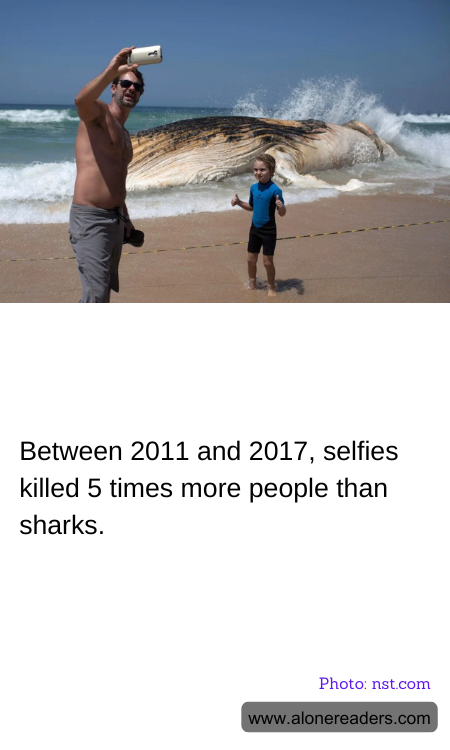
In the age of smartphones and social media, capturing the perfect selfie has become a global phenomenon. However, this seemingly harmless activity has proven to be surprisingly dangerous. Between 2011 and 2017, selfies claimed the lives of five times more people than shark attacks, highlighting a growing concern about the risks associated with this popular trend.
The allure of capturing a unique or daring selfie often leads individuals to take unnecessary risks. From standing on the edge of a cliff to posing in front of an oncoming train, the quest for the ultimate photo has driven people to engage in perilous behavior. According to a study published in the Journal of Family Medicine and Primary Care, 259 people died while attempting to take selfies during this period, compared to just 50 fatalities from shark attacks. This stark contrast underscores the need for greater awareness about the potential dangers of selfies.
One of the primary reasons selfies can be so hazardous is the distraction they cause. When individuals are focused on getting the perfect shot, they often become oblivious to their surroundings. This lack of awareness can lead to fatal accidents, such as falls from great heights or being struck by vehicles. Additionally, the desire to capture a unique image can push people to venture into unsafe areas, such as restricted zones or unstable structures, further increasing the risk of injury or death.
The demographic most affected by selfie-related incidents is young adults, particularly those between the ages of 20 and 29. This age group is often more inclined to engage in risky behavior for the sake of social media validation. The pressure to garner likes and shares can drive individuals to take increasingly dangerous selfies, often without considering the potential consequences.
To address this issue, some countries have implemented measures to reduce selfie-related accidents. For example, certain tourist attractions have designated "no selfie zones" in areas deemed too dangerous for photography. Additionally, public awareness campaigns have been launched to educate people about the risks associated with taking selfies in hazardous locations. These initiatives aim to encourage safer behavior while still allowing individuals to enjoy the fun and creativity that selfies can offer.
While selfies are a modern form of self-expression and a way to capture memorable moments, it is crucial to prioritize safety over social media fame. By being mindful of our surroundings and making informed decisions, we can reduce the number of tragic incidents associated with this popular activity. Ultimately, the key is to strike a balance between capturing the perfect shot and ensuring personal safety, allowing us to enjoy the benefits of technology without compromising our well-being.