More About This Card
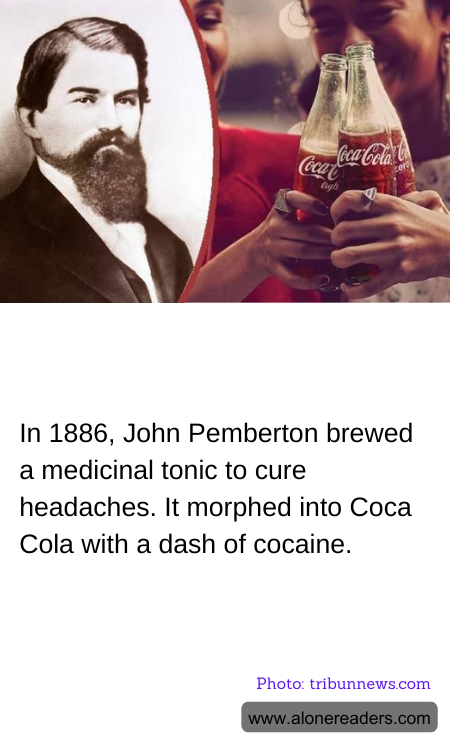
In the bustling city of Atlanta, Georgia, in the year 1886, a curious concoction was born in the backroom of a pharmacy. John Stith Pemberton, a pharmacist by trade and a curious inventor by nature, was on a quest to create a medicinal tonic that could alleviate headaches and provide a sense of relief. Little did he know that his creation would evolve into one of the most iconic beverages in the world: Coca-Cola.
Pemberton's original formula was a syrupy blend of coca leaves and kola nuts, two ingredients known for their stimulating properties. The coca leaves, in particular, contained a small amount of cocaine, a common ingredient in medicinal products of the time. This combination was intended to invigorate the body and soothe the mind, offering a remedy for common ailments such as headaches and fatigue. The syrup was initially mixed with carbonated water, creating a refreshing drink that quickly gained popularity among the patrons of Jacob's Pharmacy, where it was first served.
As the beverage's popularity grew, so did its reputation. Pemberton's tonic was marketed as a "brain tonic" and "intellectual beverage," appealing to those seeking a boost in energy and mental clarity. However, it was not just the medicinal claims that drew people in; the unique and pleasant taste of the drink played a significant role in its success. The combination of sweet, tangy, and slightly spicy flavors made it a delightful treat for the senses.
In the years following its introduction, Coca-Cola underwent significant changes. Asa Candler, a businessman who acquired the rights to the formula, was instrumental in transforming the tonic into a commercial success. Under his leadership, the drink was rebranded and marketed more aggressively, expanding its reach beyond Atlanta. By the turn of the century, Coca-Cola had become a household name, synonymous with refreshment and enjoyment.
The presence of cocaine in the original formula is a historical footnote that often surprises modern audiences. By the early 20th century, growing awareness of the potential dangers of cocaine led to its removal from the drink. The formula was adjusted to maintain its signature taste without the controversial ingredient, ensuring that Coca-Cola remained a beloved beverage for generations to come.
Today, Coca-Cola is a global phenomenon, enjoyed by millions around the world. Its journey from a humble medicinal tonic to a cultural icon is a testament to the power of innovation and the enduring appeal of a well-crafted product. While the original purpose of curing headaches may have faded into history, the legacy of John Pemberton's creation continues to thrive, offering a refreshing taste that transcends time and borders.