More About This Card
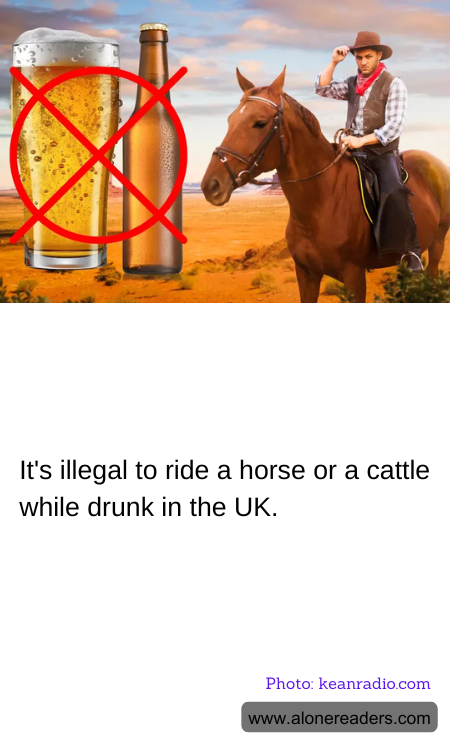
In the United Kingdom, the laws surrounding the consumption of alcohol and operating vehicles are well-known, but many might be surprised to learn that these regulations extend beyond cars and bicycles. It is, in fact, illegal to ride a horse or cattle while under the influence of alcohol. This lesser-known law is rooted in the same principles that govern drink-driving laws, aiming to ensure public safety and prevent accidents.
The law, which dates back to the Licensing Act of 1872, states that anyone found "drunk while in charge on any highway or other public place of any carriage, horse, cattle" can be fined. The rationale behind this regulation is straightforward: riding a horse or cattle while intoxicated poses significant risks not only to the rider but also to pedestrians and other road users. Horses, in particular, are large and powerful animals that require a clear and focused mind to control. An impaired rider could easily lose control, leading to potentially dangerous situations.
While it might seem like an antiquated rule, the law remains relevant today. Horses are still used in rural areas for transportation and leisure, and the potential for accidents remains. A horse can be unpredictable, and a rider under the influence may not have the necessary reflexes or judgment to handle unexpected situations, such as a sudden noise or obstacle. Similarly, cattle, though less commonly ridden, can be unpredictable and require careful handling.
The enforcement of this law is not as common as that of drink-driving, but it serves as a reminder of the broader responsibilities that come with consuming alcohol. It underscores the importance of being aware of one's surroundings and the potential consequences of impaired judgment. The law also highlights the UK's commitment to ensuring the safety of all road users, regardless of the mode of transport.
For those who enjoy equestrian activities or live in areas where cattle are part of daily life, this law is a crucial reminder to prioritize safety. It encourages individuals to make responsible choices and to consider the well-being of themselves and others. While it may seem like a quirky piece of legislation, its underlying message is clear: safety should always come first, whether you're behind the wheel of a car or in the saddle of a horse.
In conclusion, the UK's law against riding horses or cattle while drunk is a testament to the country's dedication to public safety. It serves as a valuable reminder that the principles of responsible alcohol consumption extend beyond motor vehicles. By adhering to this law, individuals contribute to a safer environment for everyone, ensuring that both riders and the public can enjoy the countryside without unnecessary risks.