More About This Card
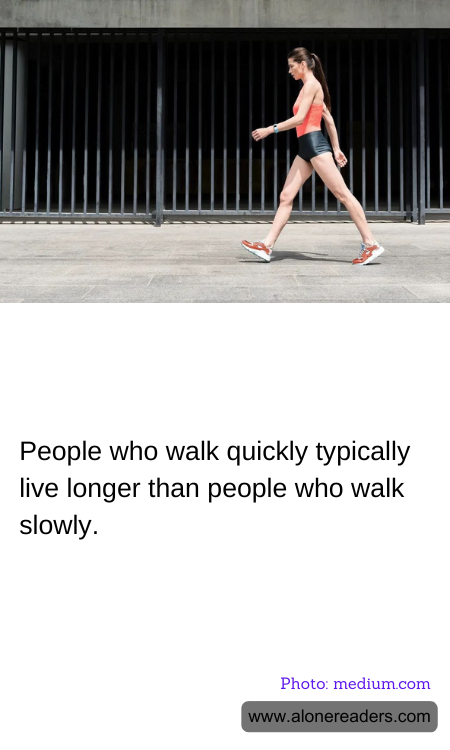
In recent years, a growing body of research has suggested that the speed at which a person walks could be an indicator of their overall health and longevity. Studies have consistently shown that people who walk quickly tend to live longer than those who walk at a slower pace. This intriguing correlation has sparked interest among scientists and health enthusiasts alike, prompting further investigation into the reasons behind this phenomenon.
Walking speed is often considered a reflection of an individual's physical fitness and cardiovascular health. A brisk walking pace typically indicates a stronger heart, better lung capacity, and more efficient muscle function. These factors contribute to a lower risk of chronic diseases such as heart disease, diabetes, and obesity, which are known to affect life expectancy. Moreover, walking quickly requires a certain level of balance and coordination, suggesting that individuals who maintain a faster pace may also have better overall neuromuscular health.
Beyond the physical benefits, walking speed may also be linked to mental and emotional well-being. Engaging in regular brisk walking can boost mood, reduce stress, and improve cognitive function. These psychological benefits can contribute to a healthier lifestyle, encouraging individuals to engage in other positive health behaviors such as maintaining a balanced diet and avoiding harmful habits like smoking. The cumulative effect of these lifestyle choices can significantly enhance longevity.
Interestingly, walking speed can also serve as a simple and accessible measure for healthcare professionals to assess an individual's health status. Unlike more invasive or costly tests, observing a person's walking pace can provide valuable insights into their overall health and potential risks. This makes it a practical tool for early intervention and preventive care, allowing for timely lifestyle modifications that can improve health outcomes.
While the correlation between walking speed and longevity is compelling, it is important to note that walking quickly is not the sole determinant of a long life. Genetics, environmental factors, and other lifestyle choices play significant roles in determining an individual's lifespan. However, incorporating brisk walking into one's daily routine can be a simple yet effective way to enhance health and potentially extend life expectancy.
For those who naturally walk at a slower pace, there is no need for alarm. Gradually increasing walking speed and incorporating regular physical activity into daily life can still yield significant health benefits. The key is to find a pace that is comfortable yet challenging, ensuring that the activity remains enjoyable and sustainable over the long term.
In conclusion, while walking speed is not the only factor influencing longevity, it serves as a valuable indicator of overall health and fitness. By embracing a more active lifestyle and striving for a brisk walking pace, individuals can take a proactive step towards improving their health and potentially extending their lifespan.