More About This Card
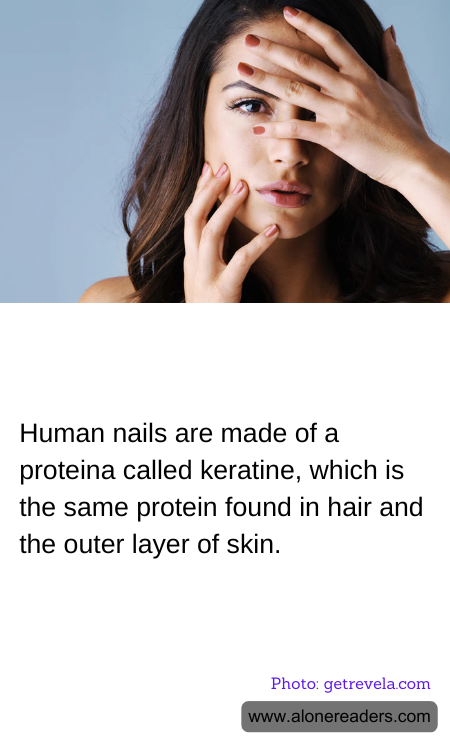
Human nails are fascinating structures that serve various functions, from protecting the sensitive tips of our fingers and toes to aiding in precise movements and tasks. At the core of their composition is a protein called keratin, which is also found in hair and the outer layer of skin. This protein is a fibrous structural component that plays a crucial role in the durability and resilience of these body parts.
Keratin is a type of protein that is rich in amino acids, particularly cysteine, which contains sulfur. This sulfur content is what gives keratin its strength and toughness, making it an ideal material for forming protective barriers. In nails, keratin is densely packed, creating a hard and resilient surface that can withstand daily wear and tear. This is why nails can endure various activities, from typing to gardening, without easily breaking.
Interestingly, the keratin in nails is similar to that found in hair and skin, yet it is organized differently to suit its specific function. In hair, keratin provides elasticity and strength, allowing it to grow long and withstand environmental stressors. In the skin, keratin forms a protective layer that shields the body from external elements, such as bacteria and UV radiation. Despite these differences, the fundamental structure of keratin remains consistent, highlighting its versatility as a biological material.
The growth of nails is a continuous process that originates from the nail matrix, located under the cuticle. As new cells form, they push older cells forward, causing the nail to grow. This growth process is similar to that of hair, where new cells are produced at the root and gradually pushed outwards. The rate of nail growth can vary depending on factors such as age, diet, and overall health, with fingernails typically growing faster than toenails.
Maintaining healthy nails involves proper care and nutrition. A diet rich in proteins, vitamins, and minerals supports the production of keratin, promoting strong and resilient nails. Additionally, protecting nails from excessive moisture and harsh chemicals can prevent damage and maintain their integrity. Regular trimming and filing can also help keep nails in good condition, preventing breakage and promoting even growth.
Understanding the role of keratin in nails, hair, and skin underscores the interconnectedness of these body parts and the importance of this protein in maintaining their health and function. Whether it's the strength of our nails, the resilience of our hair, or the protective barrier of our skin, keratin is a vital component that supports our body's ability to interact with and adapt to the world around us.