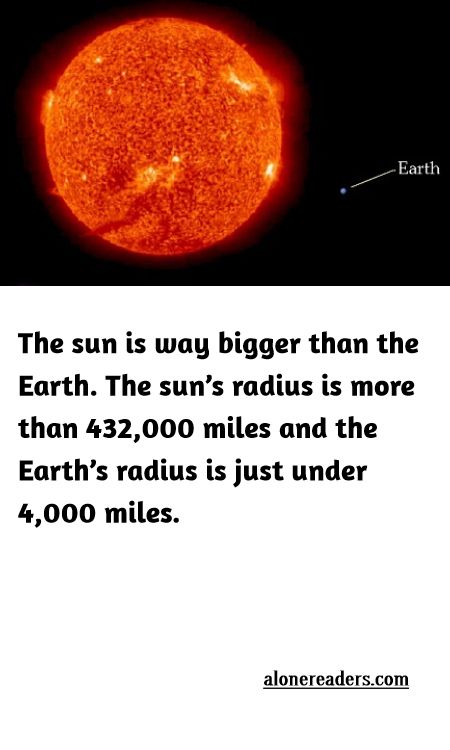
The sun, a gargantuan ball of glowing gases at the heart of our solar system, is immensely larger than Earth. Its radius stretches over 432,000 miles, making it more than 100 times the size of our planet's radius, which is just under 4,000 miles. This stark size difference highlights the sun's massive scale and its profound influence on the entire solar system.
The sun's vast size enables it to contain approximately 99.86% of the total mass of the solar system. It holds such gravitational dominance that all the planets, including Earth, orbit around it. The size of the sun not only impacts its gravity but also affects the amount of light and heat it emits. The energy produced by the sun is essential for life on Earth, driving weather, climate, and supporting all living organisms through photosynthesis.
Additionally, the immense size of the sun plays a critical role in its longevity. Larger stars like the sun have more fuel and burn more slowly compared to smaller stars, which burn their fuel quickly and have shorter lifespans. The sun is estimated to be around 4.5 billion years old and is expected to continue burning for another 5 billion years, gradually expanding into a red giant before ending its life cycle.
Understanding the sheer scale of the sun compared to Earth puts into perspective the vastness of our solar system and the powerful forces at play. It is a constant reminder of our small, yet significant place within the broader universe.
