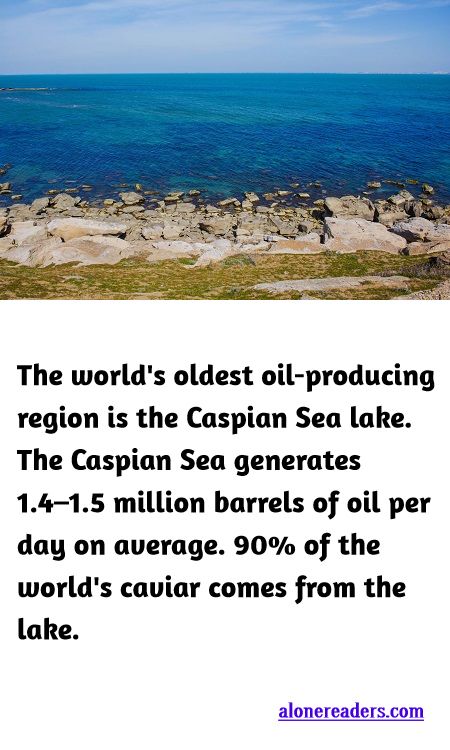
The Caspian Sea, often regarded as the world's largest lake or a full-fledged sea, carries with it a history and breadth of resources that have been crucial to the regions that surround it. Notably, it stands as the oldest oil-producing region in the world, a title it has held with pride for well over a century. This area's contribution to global oil production is significant, typically generating around 1.4 to 1.5 million barrels per day. This oil production has a profound impact on the economies of the bordering countries and plays a crucial role in global energy markets.
Moreover, the Caspian Sea is renowned for another, albeit more delicately appreciated resource: caviar. This luxurious delicacy, derived from sturgeon fish native to the lake, constitutes about 90% of the world's supply. The prominence of caviar production here highlights not only the ecological diversity of the Caspian Basin but also the economic dependency of local communities on this high-value product. Historically, the Caspian Sea’s sturgeon population was plentiful, but overfishing, pollution, and habitat loss have led to a dramatic decline in numbers, causing global concern and leading to stricter regulations to preserve this vital species.
The dual roles of the Caspian Sea in providing both oil and caviar underscore the complexity of managing such a significant natural resource. The challenges of environmental conservation, economic dependency, and geopolitical interests converge here, demanding cooperative governance and sustainable practices to balance the needs of the present with the wellbeing of future generations. These efforts are critical not only for protecting the ecological health of the Caspian Sea but also for ensuring the continued viability of its two most famous exports: oil and caviar. As such, the Caspian remains a focal point for international energy politics as well as a crucial area for discussions on biodiversity and conservation.
