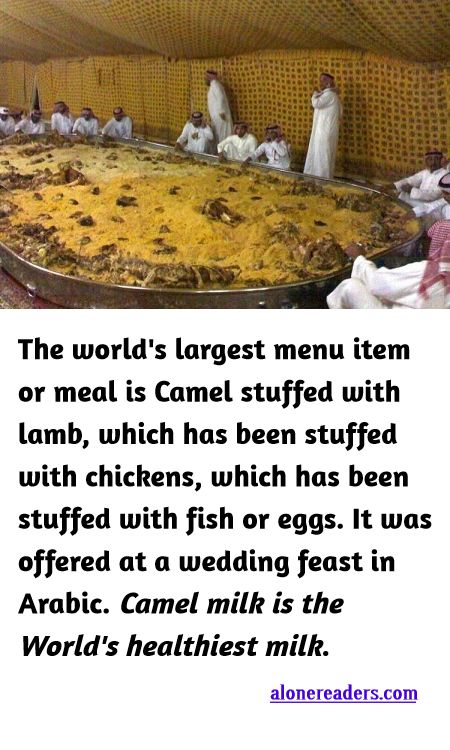
In the grand tapestry of global culinary traditions, few dishes can match the opulence and sheer size of the Bedouin-inspired delicacy involving a camel stuffed with lamb, further stuffed with chickens, which in turn is stuffed with fish or eggs. This extravagant meal, known as the largest menu item in the world, is most famously associated with lavish Arabic wedding feasts, where it is prepared to celebrate the union with grandeur and generosity. The preparation of such a meal involves an intricate and labor-intensive process where each layer is carefully seasoned and cooked to ensure a harmonious blend of flavors that highlight the unique characteristics of each meat type.
Camel, being the primary component, not only provides the substantial framework required for the elaborate stuffing but also contributes a rich, slightly gamey flavor that is highly prized in Middle Eastern cuisine. The lamb offers a tender, juicier contrast, while the chickens and their contents of fish or eggs introduce a delicate texture and variety to the feast, making each bite a unique gastronomic experience.
Aside from being central to such a monumental dish, camel milk itself stands out on its own merit. Labeled as one of the healthiest milk varieties globally, camel milk offers a range of benefits. It is lower in fat and cholesterol than cow's milk and is rich in vitamins and minerals, particularly B vitamins, iron, and immune-boosting proteins. It is also known for its potential medicinal properties, including benefits for those with autoimmune diseases and allergies. Camel milk has a slightly salty, creamy texture and is consumed both as a refreshing drink and used in a variety of other culinary dishes.
The consumption of both camel meat and milk are deeply embedded in the desert cultures, particularly among Bedouin tribes who have heralded these elements for centuries not only for sustenance but also for their perceived health-enhancing properties. The tradition of creating such a massive and intricate dish as the stuffed camel reflects the generosity of the host and offers a sense of community and celebration that is integral to many Arabic gatherings. Meanwhile, camel milk continues to grow in popularity as its health benefits become more widely recognized worldwide, transcending cultural boundaries and introducing global palates to new tastes and nutritional possibilities. Together, these culinary elements offer a fascinating insight into the rich culinary heritage and ongoing culinary innovations within Arab culture.
