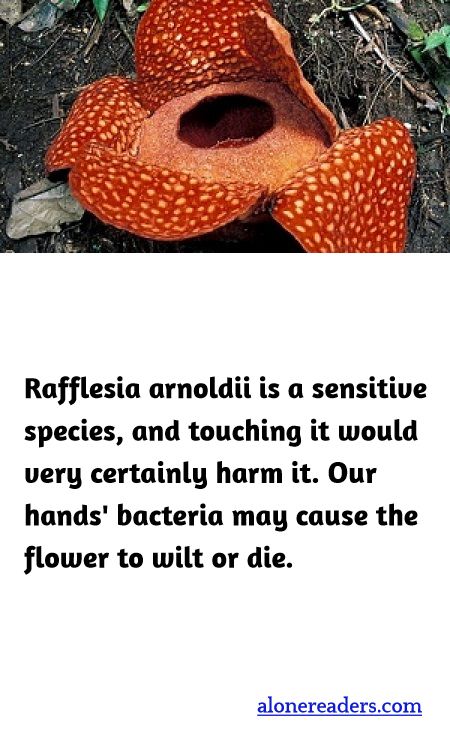
Rafflesia arnoldii, often hailed as one of the most spectacular flowers in the world, is not only notable for its immense size but also for its incredible sensitivity to external factors. Known as the "corpse flower" due to its pungent aroma similar to rotting flesh, this species relies on this scent to attract carrion flies for pollination. However, its unique ecological role belies a fragility that may not be evident at first glance.
The flower's sensitivity primarily stems from its complex relationship with its host, the Tetrastigma vine, which is essential for its growth and survival. Rafflesia arnoldii lives as a parasite within this vine, and damaging its host, even slightly, can jeopardize its life cycle. Moreover, the direct interaction with humans poses another significant threat to this rare flower. Touching Rafflesia arnoldii introduces it to bacteria and oils that are naturally present on human skin. These seemingly benign substances can disrupt the delicate balance of microorganisms that the flower depends on, leading to diseases or the premature death of the bloom.
Touching the flower can also lead to physical damages like bruises or cuts, further exposing it to infections and decay. Given its rarity and the slow maturation process—it can take months for a bud to develop into a full bloom, and each flower lasts for just a few days—each individual flower represents a critical part of the species' survival. Protecting these flowers from physical harm is crucial in maintaining the populations in their native habitats, typically the rainforests of Indonesia.
Conservation efforts are in place to educate locals and tourists about the importance of not touching or disturbing the Rafflesia arnoldii in any way. Efforts include guided tours where visitors can view the flowers from a safe distance, signages about the significance and vulnerability of the species, and in some locations, protective barriers are set up around blooming sites.
In summary, while it may be tempting to touch or closely inspect a Rafflesia arnoldii when encountered, it is crucial for the conservation of this unique species to refrain from any contact. Preserving its natural environment and respecting its biological needs is key to ensuring that future generations may also experience the wonder of encountering the world's largest flower.
