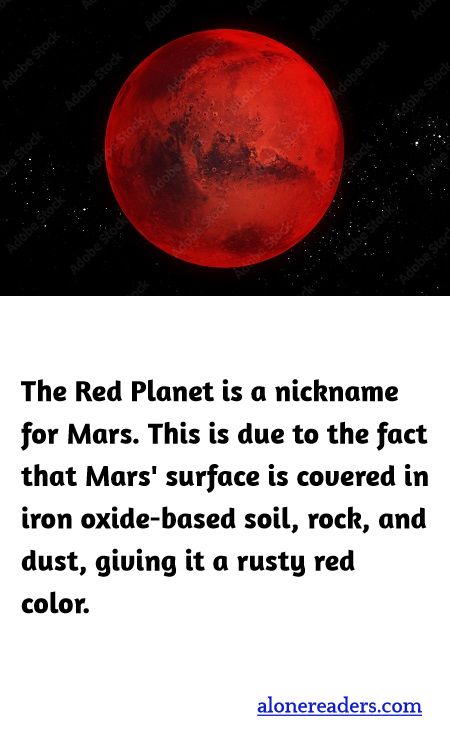
The Red Planet, Mars, captivates the imagination with its stark, rusty red appearance, a characteristic that has fascinated humans for centuries. This distinctive hue is due to the abundance of iron oxide, or rust, that permeates the Martian soil, rocks, and dust. This iron oxide forms not only from geological processes similar to those on Earth but also from the unique environmental conditions that prevail on Mars.
Mars' atmosphere, primarily composed of carbon dioxide with traces of nitrogen and argon, contributes to its arid, cold desert landscape where the iron oxide can remain stable and give Mars its red color. The thin atmosphere allows more exposure to cosmic and solar radiation, affecting the surface materials and weather patterns, which play a crucial role in the ongoing oxidation process that reinforces the red color.
The implications of the iron-rich surface extend beyond mere aesthetics, influencing various aspects of Martian geology and potential habitability. For example, the presence of iron oxide suggests that Mars once had water and oxygen, elements critical to this type of chemical reaction. This has led scientists to hypothesize about the planet’s past climate conditions, pondering a time when Mars might have had enough water to support life, at least in microbial forms.
Moreover, understanding the composition of Mars’ soil and atmosphere not only helps in unraveling the planet’s past but also lays the groundwork for future exploration and even colonization. The iron oxide on Mars could be utilized by future missions or colonists for various purposes, such as creating building materials or extracting other valuable minerals. Additionally, the soil could potentially be used in the production of oxygen, a crucial resource for human visitors or residents.
Indeed, the Red Planet remains a key focus of modern space exploration, not just for its potential to answer age-old questions about life in the universe but also for the practical challenges it offers to human ingenuity in space travel and extraterrestrial survival. As technology and our understanding of Mars continue to evolve, so too will the strategies for exploring and eventually inhabiting this uniquely challenging and fascinating world.
