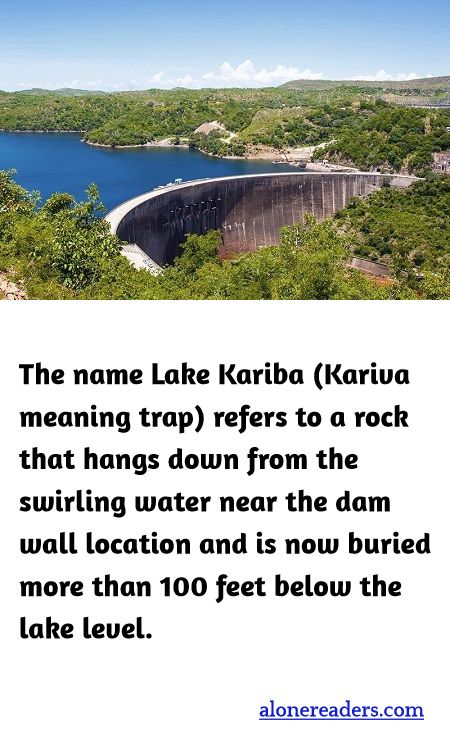
Lake Kariba, positioned on the Zambezi River and straddling the border between Zimbabwe and Zambia, carries more than just water; it carries a story steeped in local lore and geography. The name "Kariba" itself is derived from the Tonga word "Kariva," which means 'trap', and it points to a peculiar rock that used to jut out from the swirling waters near the dam’s current location. Before the creation of the lake, this rock was a notable landmark that was both revered and feared by the locals, as it was thought to be a spot where ancestral spirits dwelled.
In the 1950s, the construction of the Kariba Dam was undertaken as a massive engineering project, primarily aimed at providing hydroelectric power. This initiative was one of Africa’s most ambitious developments during that period. The lake it created became one of the largest artificial lakes in the world, holding back approximately 180 cubic kilometers of water. However, this monumental achievement came at significant ecological and social costs, including the displacement of the indigenous Tonga people and extensive damage to the local wildlife habitats.
Today, submerged deep below the surface and over 100 feet underwater, the rock that once stood proudly by the dam site is out of sight but not out of memory. This historical and cultural artifact, now veiled beneath expansive waters, remains an underwater monument to the vast transformations that have occurred in the region. Lake Kariba is not just a source of energy; it is a poignant reminder of nature’s inundated secrets and the deep cultural narratives that landscapes can hold. It continues to be a hub for tourism, ecological studies, and fishing activities, providing both sustenance and splendor to locals and visitors alike.
Thus, Lake Kariba is more than its physical dimensions and hydroelectric contributions. It is an emblem of the delicate balance between development and conservation, between historical reverence and modern advancement. As it tranquilly lies within its geological basin, Lake Kariba silently narrates the story of a rock named “Kariva,” a lingering testament to the submerged history of a region transformed by human ambition and natural dominion.
