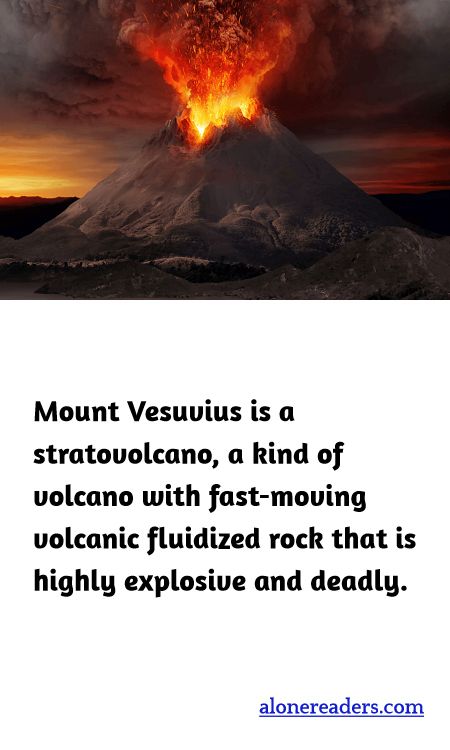
Mount Vesuvius, located on the Gulf of Naples in Italy, stands as one of the most notorious volcanoes in the world due to its catastrophic eruption in 79 CE that led to the destruction of the Roman cities Pompeii and Herculaneum. This event has been etched in history for the level of preservation of the ruins and the chilling casts of the victims caught in the volcanic material. Vesuvius is a stratovolcano, characterized by its explosive eruptions due to the highly viscous magma that traps gases, leading to pressure build-up and catastrophic blasts.
The composition of magma found in stratovolcanoes like Vesuvius typically contains a high silica content, which increases its viscosity. This, coupled with the accumulation of volatile gases within the magma, sets the stage for the explosive nature of eruptions. When these gases are eventually released, they eject ash, lava, and rocks at high speeds and over considerable distances. The eruption that buried Pompeii was marked by pyroclastic flows, a devastatingly fast-moving mixture of hot gases, ash, and volcanic matter that can engulf everything in its path.
Despite the long periods of dormancy, Vesuvius remains one of the most closely monitored volcanoes in the world due to its history and location near densely populated areas. The volcano's last eruption occurred in 1944, and although it was less destructive compared to previous incidents, it serves as a reminder of the potential danger it poses. Today, the area around Vesuvius is protected as part of the Vesuvius National Park, which was established to preserve the unique landscape and biodiversity of the area as well as for public safety.
The impact of Vesuvius goes beyond its immediate danger and historical eruptions; it has also significantly influenced cultural and scientific thought. The well-preserved ruins of Pompeii and Herculaneum have provided unparalleled archaeological and volcanic insights, offering a snapshot of Roman life frozen in time. Additionally, the disaster has permeated popular culture and consciousness, often cited as a cautionary tale of nature's unpredictable power.
Vesuvius remains a subject of extensive scientific research, as understanding its behavior is crucial for forecasting future eruptions and planning safe evacuation routes. With millions of lives potentially at risk in its vicinity, learning from past eruptions and ensuring robust monitoring systems are in place is crucial for minimizing future hazards. Thus, Vesuvius not only stands as a symbol of natural disaster but also as a beacon for volcanological research and public safety in volcanic regions worldwide.
