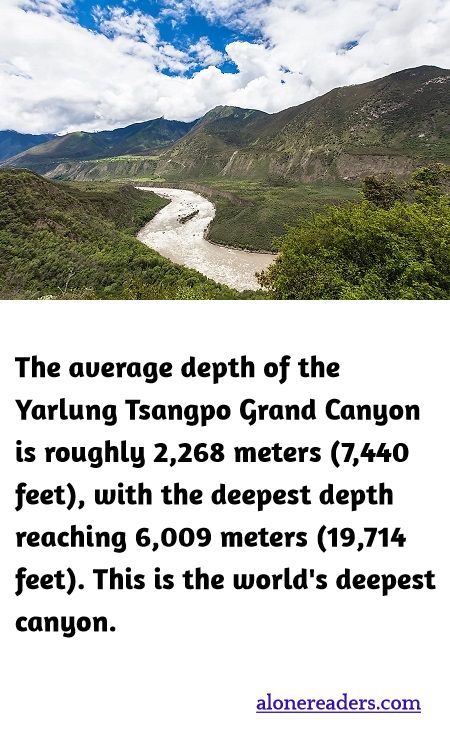
The Yarlung Tsangpo Grand Canyon, nestled in the eastern part of the Himalayas, is one of the most spectacular and awe-inspiring natural wonders on the planet. Known as the deepest canyon in the world, it offers a staggering depth of approximately 6,009 meters (19,714 feet at its deepest point. The average depth of the canyon is about 2,268 meters (7,440 feet), which is significantly deeper compared to other well-known canyons around the globe.
This magnificent canyon was sculpted over millions of years by the Yarlung Tsangpo River, which is the highest major river in the world. The river originates near Mount Kailash and flows eastward, making a sharp turn around Namcha Barwa, a prominent peak in Tibet, before eventually forming the canyon. The geography and topography around the area not only contribute to its depth but also to its ecological diversity.
The canyon's extreme depths and isolated location create unique climatic conditions that support a range of distinct ecosystems. From subtropical forests at its lower levels to alpine forests at higher elevations, the Yarlung Tsangpo Grand Canyon is a hotspot of biodiversity. It is home to a variety of flora and fauna, some of which are endemic to the region. Conservationists and nature enthusiasts alike are drawn to its biological wealth and natural beauty.
Despite its remote location, the canyon is an important site for scientific research and adventure tourism. Its challenging terrain and spectacular vistas attract trekkers and researchers who are eager to explore its depths and study its unique environmental conditions. However, accessibility remains limited, preserving much of the canyon's pristine nature and cultural heritage.
In summary, the Yarlung Tsangpo Grand Canyon does not just set records for its depth but stands as a testament to the dynamic natural processes that shape our planet. It remains a relatively unexplored treasure that continues to offer valuable insights into geology, ecology, and the capabilities of nature's enduring power.
