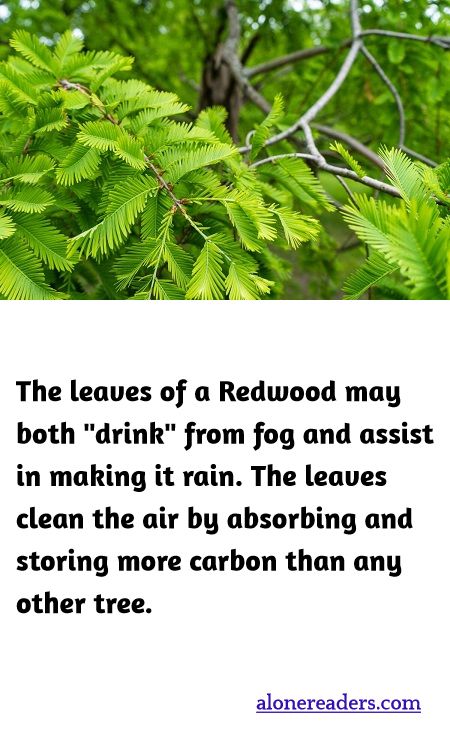
The leaves of the redwood tree are not only vital for the tree's survival but also play a crucial role in the wider ecosystem, particularly in their interaction with the environment's water cycles and air quality. Redwoods, particularly those found along the coastal regions of California, have evolved to take advantage of the dense fog that characterizes their natural habitat. These trees can absorb water directly from the fog through their leaves, a phenomenon known as foliar uptake. This ability is crucial during the dry months when ground water is scarce.
Beyond just sustaining the tree, the water absorbed from the fog by the redwood leaves also contributes to the moisture levels in the environment. Research indicates that redwood forests can effectively capture and redistribute significant quantities of water from fog, not just benefitting the trees themselves but also the ecosystem around them. This redistribution plays a part in maintaining local humidity levels and can impact overall precipitation patterns in the region.
Additionally, redwood trees are among Earth's greatest carbon sequestrators. Their leaves play a significant role in this process. By absorbing carbon dioxide from the atmosphere, they not only purify the air but also convert this carbon into biomass. This is stored in their vast trunks, branches, and roots, which are capable of holding massive amounts of carbon for centuries. This capacity makes redwoods incredibly valuable in efforts to mitigate climate change. A mature redwood forest is one of the densest carbon sinks on the planet, outperforming most other types of forests in carbon storage per area.
Therefore, the leaves of the redwood tree serve multiple environmental functions: they source water from fog, assist in regulating local weather patterns, and combat climate change by locking away carbon dioxide. Given their role in ecological balance and climate moderation, conserving redwood forests is vital, ensuring these benefits continue into the future. Conservation efforts not only protect these magnificent trees but also support the overall health of our planet.
