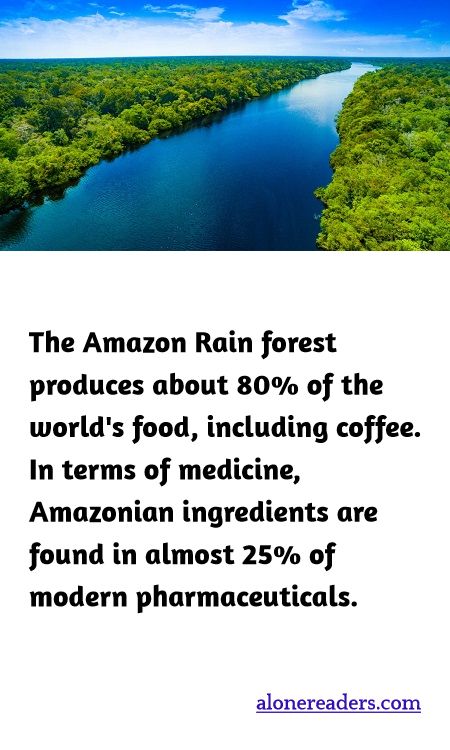
The Amazon Rainforest, often referred to as the "lungs of the Earth," plays a pivotal role not only in global climate regulation but also in food production and medicine. Contrary to the common misconception, the Amazon does not produce 80% of the world's food. However, it is crucial in the production of various food commodities, including Brazil nuts, acai berries, and importantly, coffee. Coffee, one of the most beloved beverages globally, benefits significantly from the unique climatic and soil conditions found within the Amazon basin, which is instrumental in nurturing the plants that produce these cherished beans.
Beyond its contribution to global food supplies, the Amazon Rainforest is also a treasure trove of medicinal resources. It is estimated that 25% of modern pharmaceuticals come from ingredients found directly or derived from the rainforest. This includes medicines critical for treating ailments and diseases like cancer, malaria, and Alzheimer's. The biodiversity of the Amazon is incredibly rich; a single bush in the Amazon may house more species than entire countries in Europe, offering unparalleled opportunities for medical discoveries.
The ecosystems of the Amazon are immensely diverse, hosting an estimated 390 billion individual trees divided into 16,000 species. These trees play a critical role in producing oxygen through photosynthesis by absorbing large amounts of carbon dioxide, a greenhouse gas that contributes to global warming. This function not only makes the Amazon a key player in the fight against climate change but also underscores the importance of its preservation against deforestation and other threats.
Despite its significance, the Amazon Rainforest faces unprecedented threats due to factors like deforestation, illegal mining, and agricultural expansion. The destruction of this rainforest is not just a local or national issue but a global crisis, as it affects the world's biodiversity, climate regulation, food security, and medicinal resources. Protecting the Amazon goes beyond conservation; it is crucial for maintaining the balance of the earth's ecosystem and the overall wellbeing of the planet.
In conclusion, the Amazon Rainforest is more than just a beautiful and exotic place. It is a vital component of the earth's environmental health, crucial in areas from climate control to pharmaceuticals and food production. The ongoing conservation efforts are not merely a matter of environmentalism but a requisite for global health and security. Future strategies should integrate sustainable practices that protect the rainforest's resources while supporting the livelihoods of local communities and maintaining global ecological balance.
