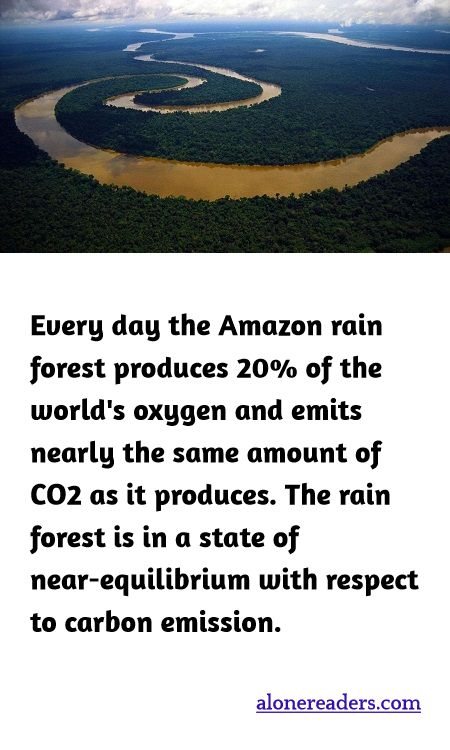
The Amazon rainforest, often referred to as the "lungs of the Earth," plays a critical role in regulating the global climate. Its vast canopy, stretching over 5.5 million square kilometers across nine countries in South America, absorbs enormous amounts of carbon dioxide from the atmosphere, a process essential for mitigating climate change. At the same time, this vast biome contributes significantly to the planet's oxygen supply, producing about 20% of the oxygen in the Earth’s atmosphere. This immense oxygen production is primarily due to the rich biodiversity of trees and plants engaging in photosynthesis, whereby sunlight is converted to energy, releasing oxygen as a byproduct.
Interestingly, despite its massive production of oxygen, the Amazon maintains a delicate balance in terms of its carbon output. The forest emits almost as much carbon dioxide as it absorbs. This near-equilibrium is due to both natural and human-influenced factors. Naturally, decomposing plant matter and the respiration of living organisms in the forest contribute to carbon emissions. Moreover, large-scale disturbances such as forest fires and droughts can dramatically increase carbon release temporarily.
Human activities have increasingly impacted this balance. Deforestation, primarily due to logging, agriculture, and cattle ranching, has accelerated in recent years. Removing trees not only decreases the amount of carbon dioxide that the forest can absorb, but it also results in the release of the carbon stored in trees back into the atmosphere. This significantly disrupts the carbon equilibrium, tipping the balance towards greater CO2 emissions. Studies have suggested that if deforestation continues unchecked, the Amazon could transform from being a net absorber of CO2 to a net emitter.
Conservation efforts are critical to maintain the balance of this ecosystem. Protecting the Amazon rainforest and promoting sustainable practices are essential for reducing carbon emissions and preserving the region's biodiversity. International cooperation and policy-making play crucial roles in safeguarding this invaluable natural resource. The equilibrium of the Amazon is not just a regional issue but a global necessity. Effective conservation strategies can ensure that the Amazon continues to function both as a crucial carbon sink and as a vital oxygen supplier, thereby sustaining its role in stabilizing the Earth's climate.
