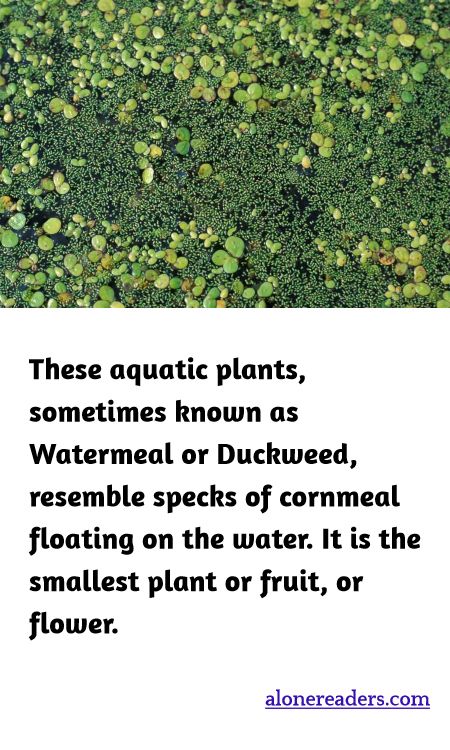
Resembling tiny green specks, aquatic plants known as watermeal, or more commonly duckweed, are fascinating components of freshwater ecosystems. Often mistaken for algae at first glance, these plants belong to the smallest of the world's flowering varieties. Each plant is a minuscule marvel, capable of rapid proliferation under favorable conditions, and can cover the surface of ponds, lakes, and slow-moving rivers with a green carpet-like layer.
Watermeal and duckweed thrive in nutrient-rich environments, often benefiting from waters that are high in nitrogen and phosphorus due to agricultural runoff. Their presence in water bodies is a double-edged sword. On the positive side, they help in cleaning the water by absorbing excess nutrients and contaminants, which can reduce the risk of algal blooms. Additionally, duckweed and watermeal can be used in wastewater treatment systems to purify water before it is released back into the environment.
However, there are drawbacks as well. Thick mats of these tiny plants can inhibit sunlight and oxygen from reaching deeper water layers, disrupting aquatic ecosystems and harming fish and other wildlife. This can lead to decreased oxygen levels, which adversely affects aquatic life and can lead to dead zones where few species can survive.
Innovatively, duckweed and watermeal have found new roles beyond their natural habitats. They are being researched for their potential as biofuel sources due to their high growth rate and minimal land usage requirements. Also, due to their protein-rich composition, some communities use them as a feed supplement for livestock and even as a component in human nutrition in some parts of the world.
Their incredibly small size does not hinder their potential impact—both ecologically and economically. These minuscule plants are further proof that even the smallest elements of nature can play substantial roles in the environment and offer solutions to modern-day challenges. As research continues, the future might see more expanded uses of watermeal and duckweed, potentially revolutionizing how we approach environmental management and resource recovery.
