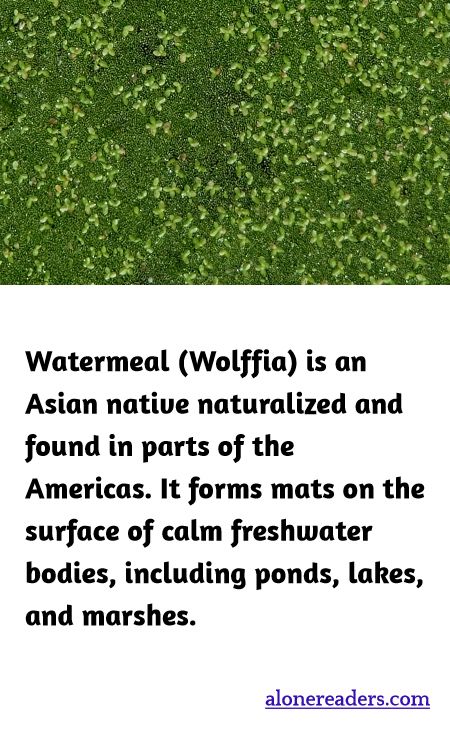
Watermeal, scientifically known as Wolffia, is the smallest flowering plant in the world. This tiny plant, often mistaken for algae, is native to Asia and has naturalized in areas of the Americas. Typically, it inhabits calm freshwater environments such as ponds, lakes, and marshes. These plants are incredibly small, with each individual plant barely visible to the naked eye, resembling specks of green dust on the water's surface.
Wolffia species are unique not only in their size but also in their method of reproduction and growth. They predominantly reproduce asexually through a process called budding, where a new plant forms from the parent plant, eventually growing and detaching on its own. This rapid reproduction allows Wolffia to form dense mats on the surface of water bodies quickly. These mats can be beneficial or detrimental, depending on the environmental context and health of the aquatic ecosystem.
In some ecosystems, Wolffia mats provide a habitat for small aquatic animals and can serve as a food source for waterfowl. However, in nutrient-rich conditions, such as those found in polluted waters, they can grow excessively and form thick mats. These mats can block sunlight from reaching other aquatic plants and deplete oxygen levels in the water, potentially leading to fish kills and a reduction in biodiversity.
Wolffia is also of considerable interest for its potential uses in human society. It is highly efficient in absorbing nutrients and has been researched for its ability to clean up polluted waterways by removing excess nutrients and heavy metals. Additionally, it has been studied as a sustainable food source because of its high protein content and rapid growth rate, offering potential for both human nutrition and animal feed.
Understanding and managing Wolffia populations in freshwater habitats is essential for preserving the health of aquatic ecosystems and exploiting the plant’s beneficial properties. Whether serving as a biofilter for water remediation projects or as a component in sustainable agriculture, Wolffia's unique characteristics make it a plant of significant interest in ecological and environmental science.
