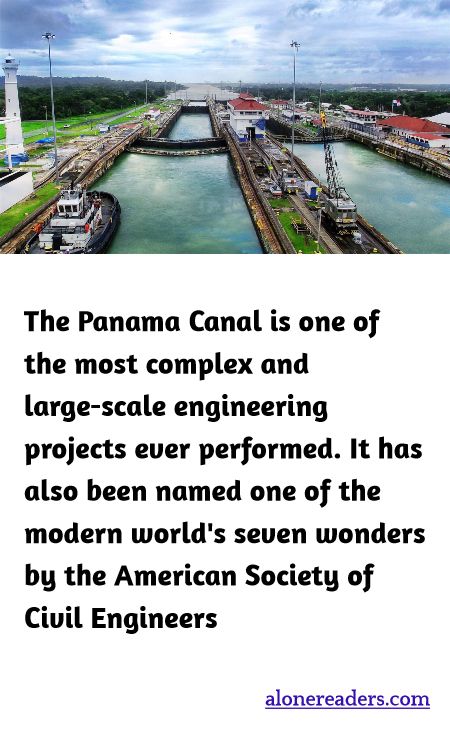
The Panama Canal, often heralded as one of the greatest engineering feats of the modern era, stands as a monumental testament to human ingenuity and determination. Spanning approximately 50 miles across the Isthmus of Panama, this colossal waterway connects the Atlantic and Pacific Oceans, facilitating a vital shortcut for international maritime trade. Before its completion in 1914, ships had to endure the perilous and lengthy journey around the southern tip of South America via Cape Horn. The idea of a canal in Panama dates back to the early 16th century, but it wasn't until the late 19th and early 20th centuries that the concept became a reality.
Construction of the canal was originally begun by the French in 1881 under the leadership of Ferdinand de Lesseps, who had successfully overseen the construction of the Suez Canal. However, the project was plagued by problems, including engineering challenges, tropical diseases, and financial difficulties, leading to its abandonment. The United States, under President Theodore Roosevelt, took over the project in 1904, driven by both strategic and economic interests. The U.S. effort reorganized the project entirely, implementing extensive sanitation programs to control the spread of diseases such as malaria and yellow fever, markedly improving worker health and safety.
American engineers designed an ingenious system of locks and artificial lakes, notably the massive Gatun Lake, which was then the largest man-made lake in the world. This lock-based system raised ships over the Isthmus and allowed them to transit across it, resolving the problem of the canal's steep elevation change, which was a significant challenge faced by earlier French efforts. The construction employed tens of thousands of workers from all over the world and was marked by its high cost in both human life and capital.
The strategic and economic significance of the Panama Canal has been profound. By drastically reducing travel time for military and commercial ships between the two oceans, it has not only influenced trade routes and global shipping trends but has also played a pivotal role in military operations during multiple conflicts, including both World War I and World War II.
Today, the Panama Canal remains a critical conduit for global maritime trade, accommodating tens of thousands of vessels each year. Despite the rise of other trade routes and geopolitical changes, its impact on world commerce remains unmistakable. In recognition of its historical and ongoing contributions to engineering and international trade, the canal was designated one of the modern wonders of the world by the American Society of Civil Engineers. As the world continues to evolve, the Panama Canal's legacy as a crucial link and a remarkable achievement in engineering endures, symbolizing human creativity and resilience in overcoming natural barriers.
