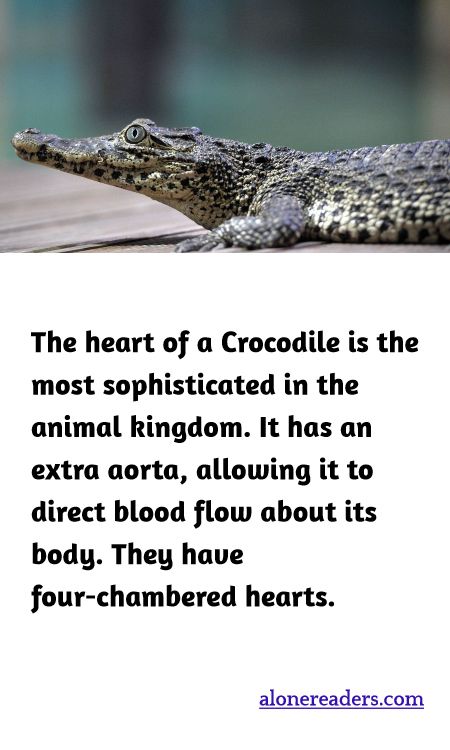
Crocodiles are often associated with their fearsome appearance and predatory prowess, but less commonly recognized is the extraordinary complexity of their cardiovascular system. A standout feature in the animal kingdom, the crocodile’s heart is uniquely adapted to its semiaquatic lifestyle and predatory habits, which includes an additional aorta and a four-chambered heart, a trait it shares with birds and mammals.
The design of the crocodile heart allows it to manage blood flow with exceptional control. Unlike most reptiles which have a three-chambered heart, the four chambers (two atria and two ventricles) prevent the mixing of oxygenated and deoxygenated blood, thus ensuring efficient systemic circulation of oxygen-rich blood. This is vital for maintaining high levels of activity and metabolic rate during a hunt.
Furthermore, the crocodile's second aorta, a feature unique among reptiles, is a key component in their ability to stay submerged for long periods while stalking prey. Typically, blood ejected from the heart travels through the body delivering oxygen. However, the crocodile can shunt blood away from the lungs and back towards the stomach by adjusting valves near the heart. This redirection is particularly useful during extended dives as it conserves oxygen and prioritizes blood flow to critical organs, like the brain and heart, while slowing other bodily functions.
The crocodile’s heart also features a cogent example of evolutionary engineering known as the foramen of Panizza, located between the left and right aorta. When diving, the crocodile can close its left aortic valve, forcing blood to pass through the foramen of Panizza to the right aorta, thus enabling the shunting process. Additionally, this setup aids in digestion by directing deoxygenated blood to the stomach, releasing more gastric acids, which helps in breaking down large meals, such as bones and tough tissues.
These remarkable cardiac adaptations not only illustrate the crocodile’s evolutionary ingenuity but also its ability to thrive as an apex predator in diverse environments. Their cardiovascular system supports both their explosive energy needs during predator interactions and their more dormant states during long periods of fasting and digestion. The crocodile's heart, therefore, is not just a symbol of physiological finesse, but it's also a key to the survival and ecological success of these ancient reptiles.
