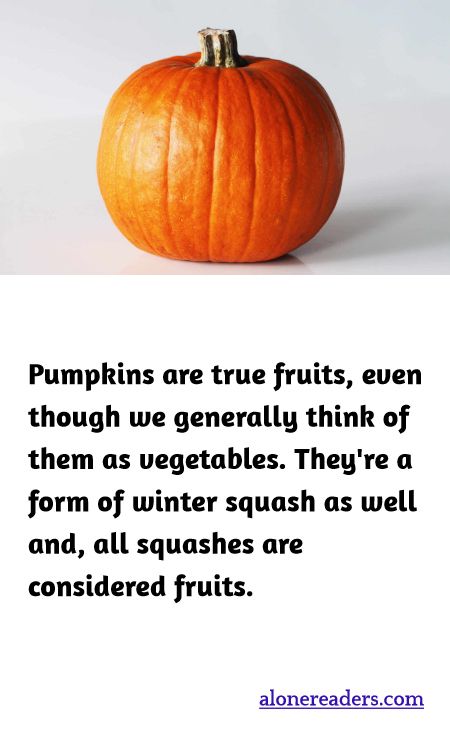
Pumpkins, often associated with fall festivities and Halloween decorations, are commonly classified as vegetables in culinary contexts, but botanically, they are fruits. This classification stems from the fact that they are the product of the seed-bearing structure of flowering plants. Specifically, pumpkins develop from the ovary of a flower and contain seeds, distinguishing them as fruits rather than vegetables.
Pumpkins are part of the Cucurbitaceae family, which includes cucumbers, melons, and squashes. They are a type of winter squash, grouped with other varieties like acorn and butternut squash. Winter squashes are characterized by their hard shells, which not only distinguish them from the softer summer squashes but also allow them to be stored for use throughout the winter months.
Nutritionally, pumpkins are highly versatile and beneficial. They are rich in vitamins, particularly vitamin A, which is derived from beta-carotene, the compound that gives pumpkins their vibrant orange color. They are also a good source of fiber and can contribute to a healthy diet when cooked or prepared in various forms such as soups, pies, and even as roasted seeds, a popular snack.
Moreover, the use of pumpkins extends beyond just food. In many cultures, they are a symbol of prosperity and growth, often used in festivals and celebrations around the world. In the United States, carving pumpkins into jack-o'-lanterns is a popular Halloween tradition that dates back to Irish immigrants who originally carved turnips and potatoes to ward off evil spirits. This practice quickly adapted to pumpkins in the U.S. due to their size, availability, and ease of carving.
In conclusion, pumpkins hold a unique place in both the botanical world as fruits and in culinary and cultural practices as versatile, symbolic vegetables. Their rich color, nutritional benefits, and broad utility make them a notable highlight in the autumnal season.
