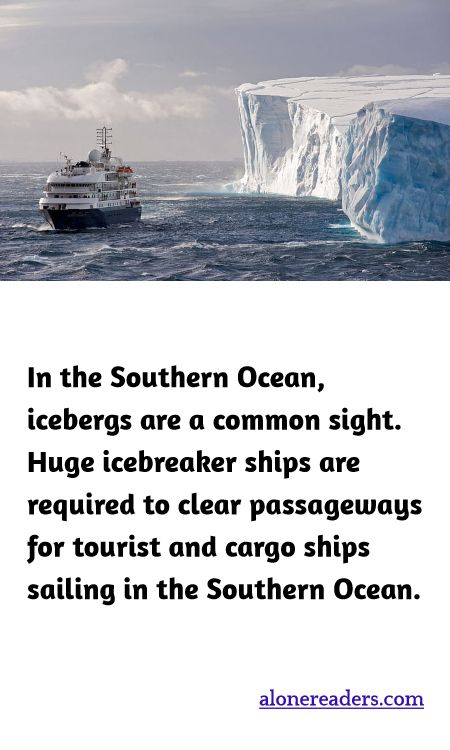
In the Southern Ocean, the allure of pristine wilderness and the promise of unparalleled adventures draw tourists and commercial enterprises alike. However, this remote ocean, encircling Antarctica, is also home to imposing natural obstacles: icebergs. These colossal masses of ice, breaking off from the Antarctic ice shelf, drift freely and unpredictably, posing significant hazards to navigation. To ensure safe passage through these icy waters, icebreaker ships are a crucial asset.
Icebreakers are specially designed vessels with reinforced hulls and powerful engines allowing them to navigate through sea ice and dense ice packs. These ships are critical in maintaining open lanes for both cargo and tourist ships in the Southern Ocean. By breaking up the ice, they prevent potential accidents and ensure that the maritime routes remain operational, even in the harshest winter months.
The role of icebreakers extends beyond clearing paths; they also facilitate scientific research missions and provide essential supplies to remote polar research stations. The logistics of operating in such extreme conditions are immensely challenging. Weather conditions can be fiercely unpredictable and temperatures plummet below freezing, turning the ocean into a formidable expanse of ice. The captains of these icebreakers have to be highly skilled in polar navigation, and the vessels themselves are equipped with advanced technology to detect and maneuver around icebergs that can sometimes be as large as small countries.
Moreover, the presence of icebreakers has become even more significant in the context of climate change. As global temperatures rise, the polar ice caps are melting at an accelerated rate, increasing the number of icebergs calving from the Antarctic shelf. This not only affects global sea levels but also complicates navigational routes in the Southern Ocean. Specialized icebreakers are on the frontline, adapting to these changes, monitoring iceberg movements, and gathering crucial climate data.
The operation of icebreakers in the Southern Ocean is a testament to human ingenuity and resilience in the face of nature’s extremes. While they ensure the economic and recreational activities continue in these remote parts of the world, they also underscore the urgent need for understanding and mitigating the impacts of climate change in polar regions. Overall, these powerful vessels enable both commerce and conservation, aiding in our ongoing quest to explore, understand, and protect the Earth’s southernmost waters.
