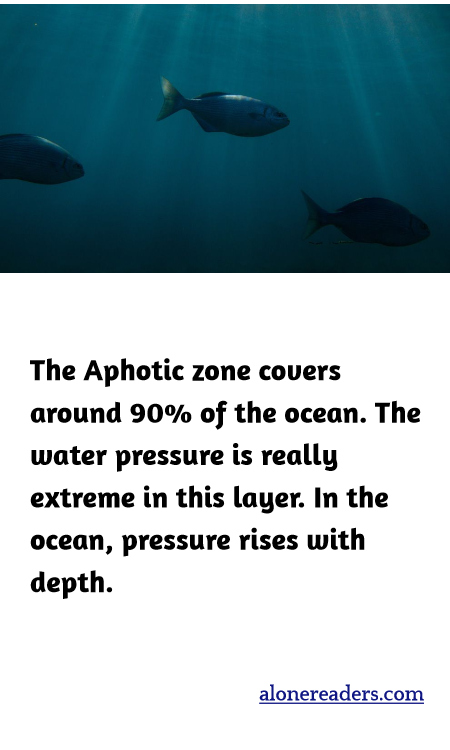
The aphotic zone, also known as the midnight zone, is a mysterious and rarely explored layer of the ocean, comprising about 90% of its volume. This zone starts at about 1,000 meters below the ocean's surface and stretches down to the ocean floor, well beyond the reach of sunlight. The complete absence of light in this part of the ocean is the reason for its name, ‘aphotic,’ meaning "without light."
Life in the aphotic zone is fascinating and is predominantly sustained by the marine snow - organic material falling from the upper, more productive layers of the ocean. Despite the lack of sunlight and primary productivity through photosynthesis, the ecosystem here thrives with unique and bizarre organisms adapted to extreme conditions. Creatures such as anglerfish, with their bioluminescent lures, and giant squid that can reach massive sizes exemplify the adaptations necessary to survive in this alien environment.
One of the most defining features of the aphotic zone is the extreme water pressure, which increases by approximately one atmosphere for every 10 meters of depth. At the deepest points, such as the Mariana Trench, the pressure can exceed 1,000 atmospheres - enough to crush most conventional submarines. This immense pressure has compelled organisms in the aphotic zone to develop specialized physiological structures. For example, many fish and invertebrates in this region have flexible, gelatinous bodies and minimal skeletal structure to withstand such conditions.
Despite these harsh conditions, recent advances in technology and remote-operated vehicles have enabled scientists to explore and understand more about this enigmatic layer of the ocean. New species are continually being discovered, offering insights into biodiversity and life's adaptability. Moreover, studying these unique life forms provides clues about potential life on other planets where similar extreme conditions may exist.
Overall, the aphotic zone is a critical part of Earth's biosphere. It plays a vital role in oceanic nutrient cycles and carbon dioxide absorption, influencing global climate regulation. The continuous study of this zone not only helps in understanding Earth's biodiversity and ecological dynamics but also challenges our notions of life and survival in extreme environments.
