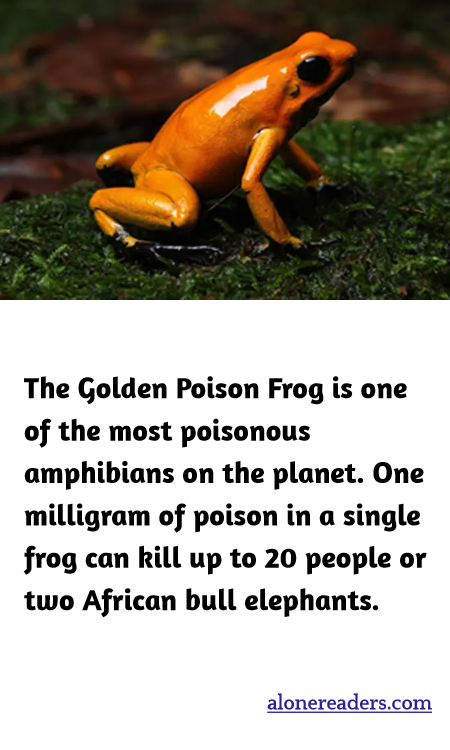
The Golden Poison Frog, scientifically known as Phyllobates terribilis, stands as one of Earth's most lethal creatures despite its minute size and vibrant appearance. Hailing from the rainforests of Colombia, this amphibian is a mere 2 inches long but harbors enough batrachotoxin to cause the death of 10 to 20 humans or roughly two African bull elephants. Exceptionally, the lethal compound found in its skin disrupts nerve signals to muscles, causing paralysis and eventual heart failure.
Intriguingly, the poison's potency is believed to be a result of the frog's diet in the wild, which consists of ants and other insects that themselves contain toxic substances. These toxins are then accumulated and modified by the frog, enhancing their deadly impact. Contrary to their dangerous nature, indigenous communities such as the Chocó of Colombia have harnessed the frog’s poison for centuries, using it to tip their blowgun darts when hunting, turning the frog's defensive mechanism into a vital tool for subsistence.
The brilliant coloration of the Golden Poison Frog, ranging from bright yellow to deep orange, serves as a warning to potential predators about the lethal nature lurking beneath its skin. This aposematic (warning) coloration in nature typically signals a threat, deterring encounters and potential threats to the frog's survival.
Conservation efforts for the Golden Poison Frog are crucial as its habitat is under threat from deforestation and the encroachment of human activity. Its natural geographical range is extremely limited, confined to specific rainforest areas that are decreasing in size, making its conservation status particularly precarious. International wildlife regulations and localized conservation initiatives are essential to ensure this spectacular yet deadly amphibian remains a part of our world's natural heritage and not just a footnote in ecological history.
Understanding and respecting the balance of nature represented by such creatures demonstrates not only the interconnectedness of ecosystems but also highlights the importance of biodiversity. The Golden Poison Frog, with its deadly allure, is a perfect example of the wonders and warnings nature provides, reminding us of the fine line between beauty and danger.
