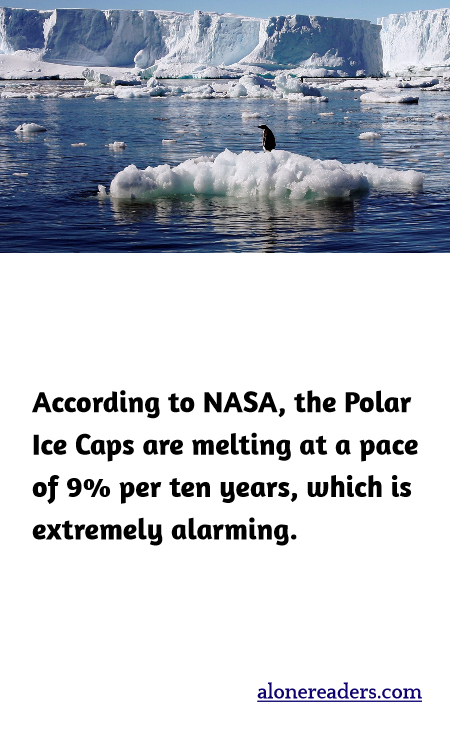
The rapid melting of the polar ice caps is a stark indicator of the ongoing changes in global climate. Data from NASA highlights a troubling trend, with a reduction in ice cover of about 9% every decade. This dramatic transformation not only signifies a direct impact on the Arctic and Antarctic regions but also has far-reaching implications for the global ecosystem.
The polar ice caps act as Earth's air conditioners, reflecting solar radiation and helping to maintain a balance in global temperatures. As the ice diminishes, darker water or land surfaces get exposed, absorbing more sunlight and heat, which in turn accelerates the warming process—a phenomenon known as the "albedo effect." This vicious cycle poses a severe threat not just locally but globally, as it contributes to the overall increase in earth’s average temperatures, popularly known as global warming.
Furthermore, the melting of polar ice is closely linked to the rising sea levels. The ice caps store a vast amount of the Earth’s freshwater, and as they melt, they contribute to an increase in ocean volumes, which can lead to coastal erosion, increased flooding, and even the submergence of low-lying areas. Such changes pose risks to biodiversity, fisheries, and the livelihoods of people living in coastal communities.
Moreover, the rapidly changing conditions in the polar regions can also disrupt weather patterns worldwide. The temperature differentials between the poles and the equator drive many of the weather systems, and changes therein can lead to extreme weather events, including harsher winters, severe storms, and prolonged droughts in various parts of the world.
The melting of the polar ice caps serves as a critical reminder of the robust intervention required to address climate change. International cooperation to cut down greenhouse gas emissions, alongside concerted efforts towards global environmental conservation, are essential to curb these alarming trends. Humanity must act swiftly and decisively to innovate and implement strategies that reduce our impact on the planet, ensuring a sustainable future for the next generations.
