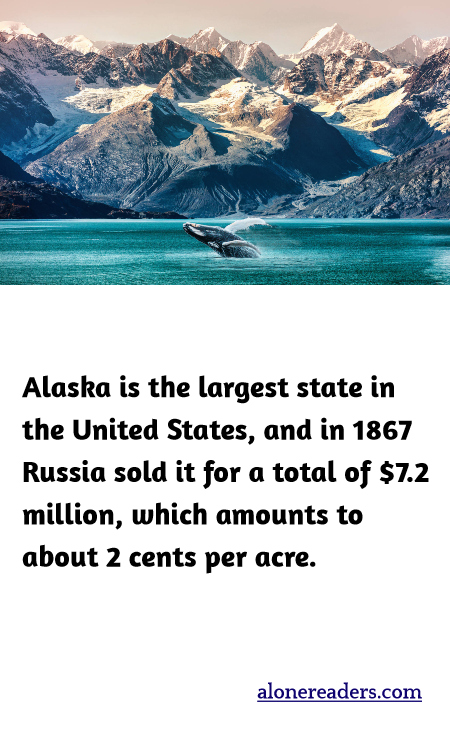
Alaska, the largest and most sparsely populated state of the United States, has a rich history that reflects several chapters of cultural evolution, international politics, and economic transitions. Known for its diverse terrain of open spaces, mountains, forests, and abundant wildlife, Alaska's path to becoming a state in the U.S. commenced with a significant event known as the Alaska Purchase.
The Alaska Purchase unfolded on March 30, 1867, when the United States agreed to buy Alaska from the Russian Empire. The negotiated price was $7.2 million, a sum that seems almost trivial today but was considered substantial at the time. This strategic acquisition by the U.S. was orchestrated by Secretary of State William H. Seward, and the transaction was often referred to mockingly by critics as "Seward’s Folly" or "Seward’s Icebox," due to the perception of Alaska as a frigid, remote, and apparently useless land.
However, this perception changed dramatically in the late 19th and early 20th centuries. The discovery of gold in the late 1890s led to several gold rushes, most notably the Klondike Gold Rush, which exacerbated migration towards Alaska and highlighted its potential wealth. Alaska’s vast natural resources were gradually recognized as significant assets. Commercial interests, from fishing to logging and eventually oil, became important contributors to the state's economy and relevance.
Purchased at roughly two cents per acre, the Alaska Purchase is today considered among the greatest real estate deals in history. Not only for the pure expanse of the territory but also for the wealth of natural resources it held—a fact that Russia slightly grasped only after selling it. The purchase added territory approximately twice the size of Texas to the United States and has been integral in asserting U.S. presence in the Arctic and Pacific regions.
In contemporary times, Alaska is a focal point for discussions on numerous fronts, including energy policies, environmental conservation, and geopolitical significance, especially with increased international focus on Arctic territories. The state’s economy is primarily driven by oil extraction and seafood, and Alaska provides significant contributions to U.S. crude oil production. Moreover, it is a prime destination for tourists drawn by its natural majesty and activities such as hiking, fishing, and sightseeing among glaciers and wildlife.
The story of Alaska from a barely-regarded land bought for $7.2 million to a state central in modern geopolitical and environmental dialogues underscores the unforeseen potential and value that geographical and political shifts can bring about over time. The evolution of Alaska portrays an intriguing tale of vision, value, and vast potential.
