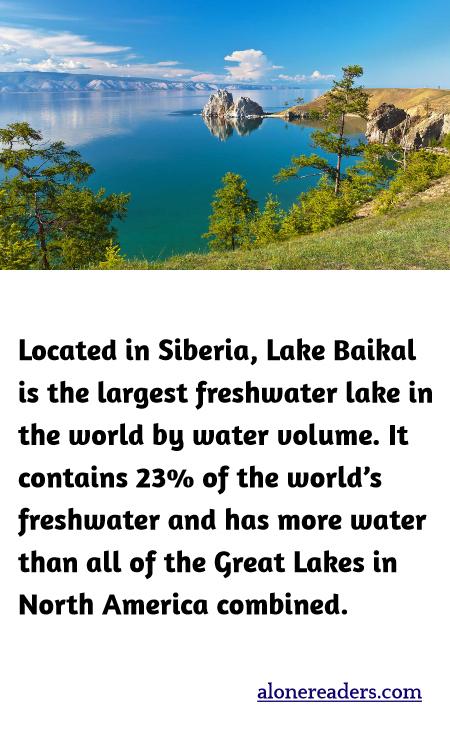
Nestled in the heart of Siberia, Lake Baikal is not only a marvel of natural beauty but also a record-holder in freshwater volume, making it a significant geographical and ecological treasure on the global map. Known as the "Galapagos of Russia," its ancient waters are estimated to be about 25 million years old, making it one of the oldest lakes in geological history. This vast expanse holds about 23% of the world's unfrozen freshwater reserve, which is more than the combined volumes of the North American Great Lakes.
Spanning an area of around 31,500 square kilometers, Lake Baikal’s size is further complemented by its depth. Reaching a maximum depth of approximately 1,642 meters, it is also the world's deepest lake. This combination of volume and depth forms an environment with unique biodiversity; the lake is home to thousands of species of plants and animals, many of which are endemic to the area. The most famous among them is the Baikal seal or nerpa, which is the only freshwater seal species in the world.
The watershed of Lake Baikal is vast, feeding into several rivers and streams that contribute to its ecological diversity. The lake itself acts like a crucial climate regulator for the surrounding region, influencing weather patterns and sustaining local agriculture and the livelihoods of the indigenous populations.
However, despite being a UNESCO World Heritage site, Lake Baikal faces numerous environmental threats. Pollution from industrial runoff, rising tourism pressures, and the effects of climate change are altering the biochemistry of the lake's waters, which pose challenges not only to the existing flora and fauna but also to the surrounding ecosystems that rely on this giant freshwater reservoir.
Conservation efforts are ongoing, with several international collaborations focussing on preserving Lake Baikal’s unique landscape and biodiversity. These efforts are geared towards sustainable practices that will guard the lake’s ecological history while ensuring it remains a stable freshwater source for generations to come. This majestic Siberian gem continues to inspire and captivate those who are fortunate enough to visit its icy shores or study its enigmatic depths, making Lake Baikal a true natural wonder of the world.
