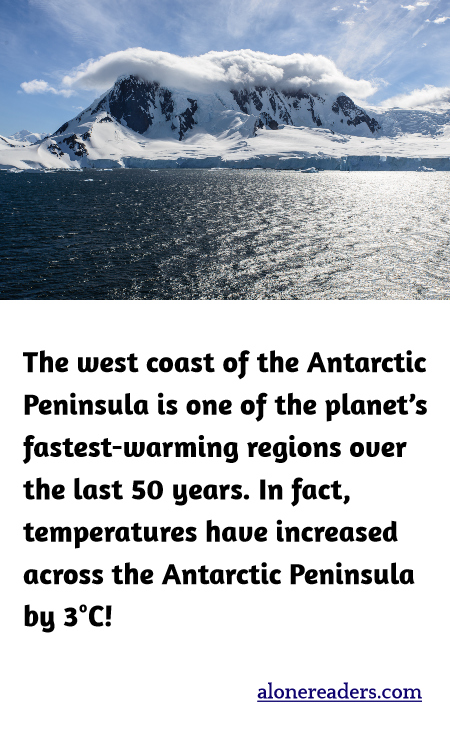
The Antarctic Peninsula, the northernmost part of mainland Antarctica, has experienced extraordinary climatic changes in recent decades. Over the last 50 years, the west coast of the Antarctic Peninsula has become one of the most rapidly warming regions on Earth, with an average temperature increase of approximately 3°C. This significant rise in temperature has profound implications not only for the local ecosystem but also for global sea levels and climate patterns.
The rapid warming has led to extensive melting of glaciers and ice shelves in the area. This melting contributes to rising sea levels, which poses a threat to coastal habitats and human populations worldwide. Moreover, the reduction in sea ice affects the breeding and feeding habits of native wildlife. Species such as penguins, seals, and krill are particularly vulnerable, as they rely heavily on sea ice for their survival, using it as a platform for resting, breeding, and as a protection against predators.
In addition to ecological impacts, the warming of the Antarctic Peninsula holds significant implications for global weather patterns. The region plays a crucial role in global oceanic circulation, affecting weather and climate across the planet. Changes here can influence far-reaching climatic systems, potentially altering weather patterns in distant parts of the world, such as North America and Europe.
The warming trend on the Antarctic Peninsula also offers crucial insights into the broader impacts of global climate change. It serves as a stark indicator of how rapidly and severely climate can shift, particularly in sensitive polar regions. The situation underscores the urgency for global climatic policies and increased research efforts aimed at understanding and mitigating climate change.
As international scientific communities and policymakers continue to monitor and analyze these changes, the need for comprehensive, collaborative, and immediate action becomes increasingly clear. The fate of the Antarctic Peninsula may well presage the environmental challenges facing the rest of the world if prompt and effective measures are not implemented.
