More About This Card
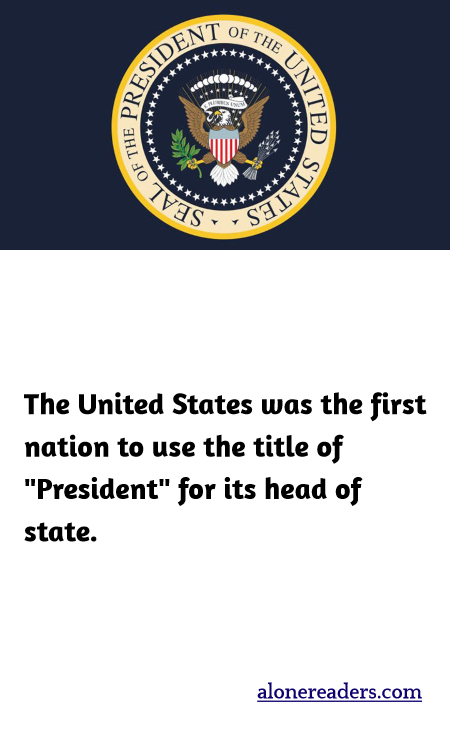
The title of "President" as it is known today for the head of state was first used in the United States, marking an innovative approach in the nomenclature of leadership. Prior to this, monarchs and other rulers typically bore titles such as King, Queen, or Emperor. The choice of the title “President” resonated with the new nation's commitment to a different form of governance. This term originates from the Latin word 'praesidere', which means to sit before, to oversee, or to preside over. In its inception, the term was associated more commonly with someone who presides over a meeting and was not exclusively meant for a higher authority or royalty.
When the United States framed its Constitution in the late 18th century, the founders were engaged in intense debates about the kind of leadership that was ideal for the young nation. They wanted to establish a governance structure that was a republic, avoiding the monarchical and authoritarian rule that many had associated with their grievances as colonies under British rule. The title of "President" was intentionally chosen for its lack of monarchical connotations, ensuring a clear distinction from the sovereign titles of European countries from which many American settlers and politicians sought to distinguish their new form of government.
George Washington became the first U.S. President in 1789, setting a precedent for the role that focused on democracy and civil leadership. The use of this title was subsequently adopted by other republics and organizations, making "President" a common title for leaders of countries and organizations worldwide. This adoption underscored a shift toward governance forms that emphasize elected, rather than hereditary, leadership.
The selection of the title "President" critically indicated a move towards an administration based on democratic ideals where the head of state serves at the pleasure of the governed, embodying a departure from dictatorial rule towards more inclusive forms of governance. Today, the title is used across various republics as a standard designation for the head of state, reflecting a legacy that underscores democracy, leadership, and responsibility.