More About This Card
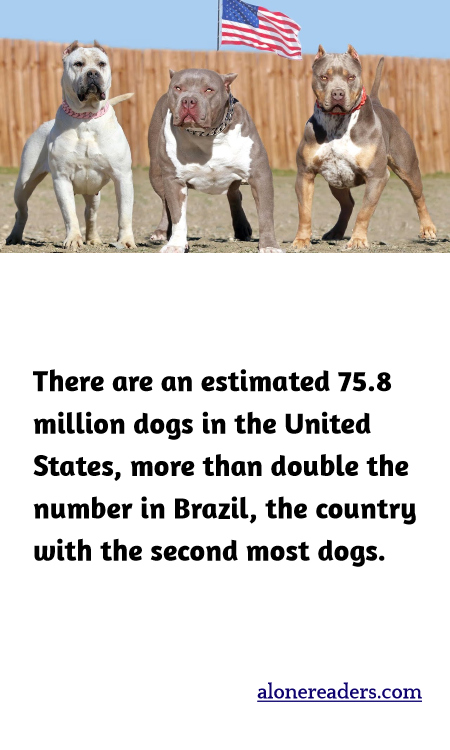
Dogs are not just beloved pets in the United States; they are an intrinsic part of the cultural landscape. With an estimated 75.8 million dogs, the United States leads the world in canine population, considerably outpacing Brazil, which holds the second position with significantly fewer dogs. This vast number of dogs reflects a deep-seated love for these animals, seen in everything from pet-friendly policies to the prevalence of dogs in advertising and popular media.
The high number of dogs in the U.S. can be attributed to various factors including a strong pet industry, comprehensive animal welfare laws, and a societal attitude that embraces pets as family members. The American Pet Products Association (APPA) notes that spending on pets in the U.S. has seen consistent growth, indicating not only a growing number of pet dogs but also an increase in the amount spent on their care. This economic impact is accompanied by a deeper social and emotional bond between Americans and their dogs, viewed through the lens of animal companionship being highly valued.
Comparatively, Brazil’s dog population, while still significant, is less than half that of the United States. Cultural, economic, and urban planning factors might influence this disparity. In Brazil, despite a strong love for animals, infrastructure and economic constraints make pet ownership less accessible for many. Additionally, differences in urban planning and housing can affect the practicality of owning and adequately caring for pets, particularly dogs, which generally require more space and resources.
The shift towards recognizing dogs as integral family members can also be seen in the proliferation of services catered towards pet owners in the U.S., including dog-specific recreation areas, pet-friendly accommodations, and a wide variety of specialized healthcare services. The existence of stringent animal protection laws further underscores the importance placed on ensuring the well-being of dogs.
This massive canine population in the U.S. brings its own set of challenges and responsibilities, including concerns about animal homelessness, the environmental impact of pet foods, and the ethical breeding of dogs. Addressing these issues remains a crucial focus for numerous animal welfare organizations and governmental bodies.
In summary, the significant difference in dog populations between the United States and Brazil highlights not only cultural and economic variations but also differing societal values and infrastructures supporting pet ownership. The prominence of dogs in American life underlines a broader cultural appreciation and commitment to animal welfare that continues to evolve.