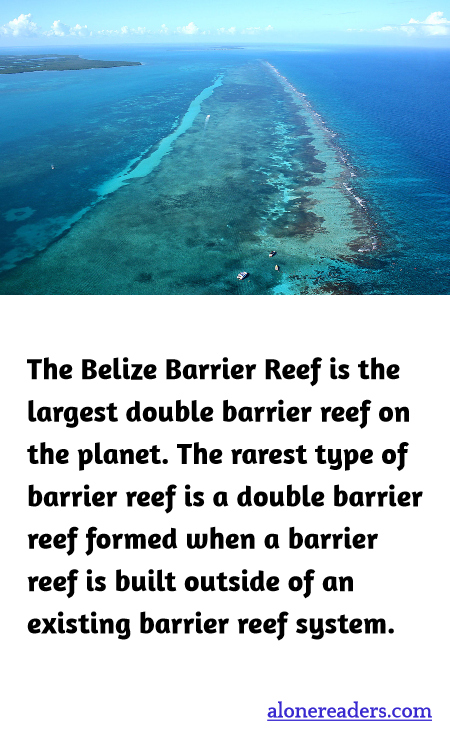
The Belize Barrier Reef stands out as a brilliant gem among the world's marine treasures, not only because of its vast beauty and biodiversity but also due to its rare formation as the largest double barrier reef on the planet. A double barrier reef, an exceptionally infrequent phenomenon, occurs when an additional barrier reef develops outside an already existing barrier reef system. This unique spatial arrangement allows for a complex system of inner lagoons, islands, and varying water depths that create diverse habitats supporting a wide array of marine life.
The Belize Barrier Reef stretches approximately 300 kilometers along the coast of Belize, comprising several different reef types including fringing reefs, patch reefs, and the outer barrier reef. Inside this complex, there are numerous sandy cays, mangrove forests, coastal lagoons, and estuaries. These ecosystems are incredibly significant, providing shelter, food, and breeding grounds for myriad species. Among these are threatened species such as the West Indian manatee, the green turtle, and numerous types of sharks and rays.
Ecologically, the reef plays a crucial role in the marine environment. It acts as a buffer against large waves and storms, helping to protect Belize’s coastline from erosion and the impacts of tropical storms and hurricanes. The reef system also supports commercial fish species, which are vital for the livelihood of thousands of local fishermen and contribute substantially to Belize’s economy, particularly through tourism. Visitors flock to the reef for scuba diving, snorkeling, and fishing, drawn by its renowned clear waters and the impressive biodiversity.
However, the Belize Barrier Reef faces significant threats from human activities, including coastal development, overfishing, and pollution, as well as global threats like coral bleaching due to climate change. The alarming rate at which coral cover has been decreasing in recent years raises concerns about the health and sustainability of the entire ecosystem. Conservation efforts are therefore critical in safeguarding this aquatic marvel for future generations.
Efforts to preserve and protect the reef are ongoing and include the designation of various parts of the reef system as protected areas, which manage and control human activities to mitigate negative impacts. Education and awareness campaigns also help foster a sense of stewardship among the local communities and tourists alike.
The Belize Barrier Reef, with its double barrier structure and unparalleled ecological importance, remains one of the most stunning and vital marine sites in the world. Its preservation is not only crucial for maintaining biological diversity but also for sustaining economic practices that depend on its existence.
