More About This Card
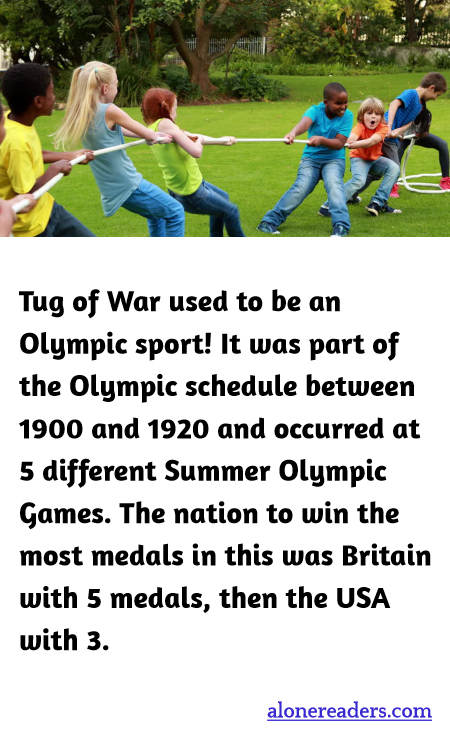
Tug of War, a sport often associated with school sports days and community fairs, once held a prestigious spot in the Olympic Games. From 1900 to 1920, it was featured in five different Summer Olympics, making it one of the more intriguing aspects of early 20th-century international sports competitions. The origins of Tug of War date back thousands of years, with ancient civilizations across the globe playing versions of this team sport. By the time it was introduced to the Olympics, Tug of War was well established as a competitive sport, particularly in Great Britain and the United States.
The rules for the Olympic Tug of War were similar to those of today, involving two teams pulling on opposite ends of a rope, with the objective being to drag the opposing team a certain distance from the starting point. Each team comprised of eight athletes, and matches were hotly contested and physically demanding, testing both the strength and the strategy of the competitors.
Great Britain emerged as the dominant force in Olympic Tug of War, securing a total of five medals throughout the sport's Olympic tenure, more than any other nation. The United States was also formidable, earning three medals. These competitions were not without controversy, however; disputes over footwear and the composition of teams (which sometimes included policemen or other professionals known for their physical strength) led to disagreements over what constituted a fair match.
The decision to remove Tug of War from the Olympic schedule after the 1920 Antwerp games was influenced by the desire to streamline the Olympics and focus on sports that were universally practiced. Despite its removal, the legacy of Tug of War as an Olympic sport adds a fascinating chapter to the history of the Games, highlighting the evolving nature of international sports and the variety of events that have been included over the years. Even today, Tug of War remains a popular sport worldwide, governed by the Tug of War International Federation, and it continues to be a common team event in physical education programs, corporate team building, and outdoor recreational activities.