More About This Card
When World War II ended in 1945, it triggered massive celebrations across the victorious nations, with street parties and jubilant gatherings marking the conclusion of years of conflict and hardship. One of the most memorable anecdotes from these celebrations comes from the Soviet Union. The relief and joy of victory were particularly poignant here, given the staggering losses and suffering endured by the Soviet people during the war.
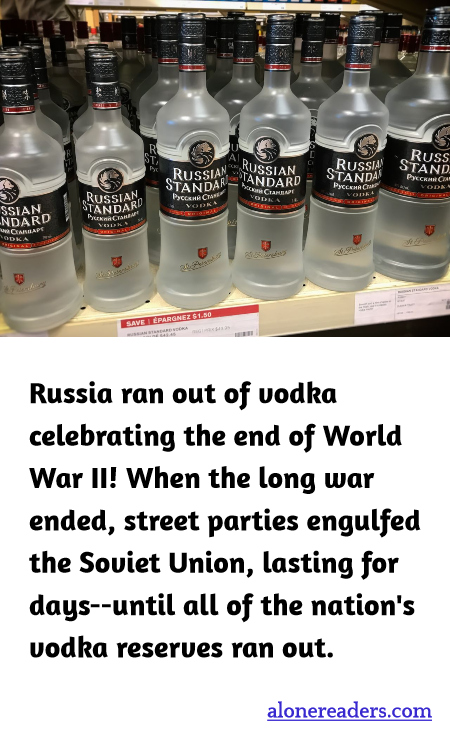
The end of hostilities was commemorated with an outpouring of emotion. Citizens poured into the streets, reveling in the newfound peace with a fervor matched only by the severity of the war’s devastation. Such was the intensity of the celebration that, according to popular accounts, the entire nation ran out of vodka. This claim, while perhaps apocryphal, highlights the scale of the revelry. People of all ages participated in the nationwide party, which allegedly led to vodka supplies being completely depleted.
Whether or not the vodka shortage lasted for a significant period or was merely a temporary situation localized to specific areas, the idea of an entire nation running dry of its emblematic beverage underlines the deep sense of relief and unbridled joy felt at that historical moment. The tale has become a colorful part of the larger narrative of those immediate post-war days, illustrating the euphoria and unity experienced by people who, despite numerous privations, were united in celebration.
This aspect of the World War II victory celebrations demonstrates the human capacity for joy even after prolonged periods of suffering. The apparent shortage of vodka in the Soviet Union, whether fully accurate historically or embellished over time, emphasizes how widespread and enthusiastic the celebrations were. Moreover, it serves as a reminder of the cultural significance of vodka in Russia, which, beyond being a popular beverage, is a symbol deeply ingrained in the social fabric and historical narrative of the nation. Indeed, this anecdote, while light-hearted, underscores a significant historical moment with a uniquely Russian flavor, reflecting both the hardships endured and the immense relief that followed the cessation of conflict.