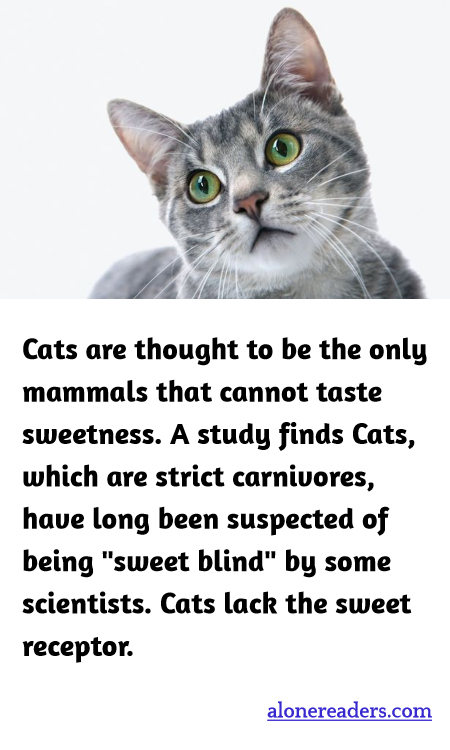
Cats are unique among mammals in that they lack the ability to taste sweetness. This absence of a sweet receptor is a peculiar trait, particularly given that nearly all other mammals possess this sensory capability. The reason behind this phenomenon is deeply rooted in the cat's evolutionary history. As strict carnivores, their diet traditionally consists almost exclusively of meat. The nutritional needs of cats are met through the consumption of protein, fat, and other compounds found in animal tissue, with little need for carbohydrates or sugars.
The genetic makeup of cats reflects this dietary preference. Researchers have identified that cats have a mutation in the gene that codes for the sweet taste receptor. This gene, known as Tas1r2, when combined with another gene, Tas1r3, forms the functional receptor that allows other animals to taste and appreciate sweetness. In cats, however, a mutation renders the Tas1r2 gene inoperative, thereby disabling the formation of the taste receptor. As a consequence, sweet tastes, which might entice other animals, do not affect feline dietary preferences.
This lack of sweet taste perception in cats has interesting implications for their feeding behavior and nutrition. Since they cannot taste sweetness, cats are not drawn to sugary foods, which have no nutritional value for them. Instead, their palates are fine-tuned to detect flavors and textures that indicate the presence of proteins and fats which are vital to their survival. This specialization reinforces their role as natural predators, thriving on a diet that supports their needs for high levels of energy and helps maintain their sharp hunting skills.
Understanding that cats do not perceive sweetness also informs pet owners about the most appropriate choices for cat food and treats. It emphasizes the importance of providing a diet that is rich in animal proteins and avoids unnecessary fillers such as carbohydrates and sugars, which do not naturally align with the feline digestive and metabolic systems.
In summary, the inability of cats to taste sweetness is a fascinating example of how evolutionary adaptations beautifully tailor an animal’s senses and behaviors to its ecological niche. Without a need for sweet flavors, cats have developed an acute ability to source and enjoy their ideal diet, focusing solely on the foods that provide the nutritional benefits they require to stay healthy and agile. This evolutionary trait underscores the intricate link between an animal's genetic makeup and its dietary needs, emphasizing the complex interplay between nature and nourishment in the animal kingdom.
