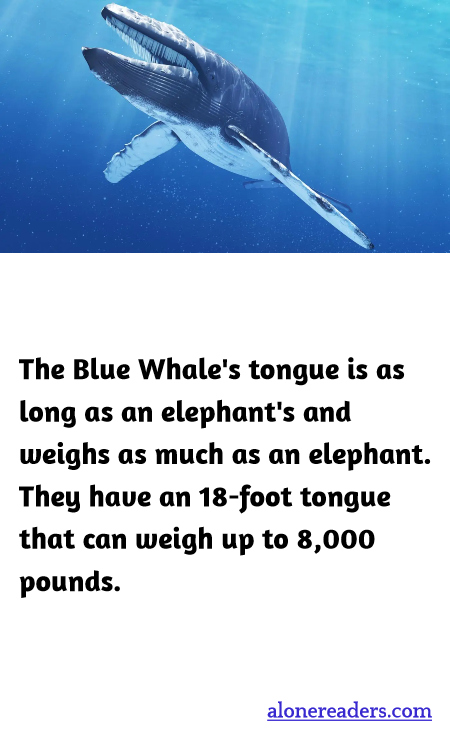
The blue whale, being the largest animal on Earth, has proportions that are hard to grasp. One of the most fascinating aspects of this marine giant is its tongue, which matches an elephant in size and weight. Measuring up to 18 feet in length and weighing approximately 8,000 pounds, the tongue alone showcases the grand scale of this magnificent creature.
This enormous tongue plays a vital role in the blue whale’s feeding mechanism. Blue whales feed primarily on tiny sea creatures called krill. They do this by taking in massive quantities of water, which also includes thousands of krill, and then pushing the water out through their baleen plates with their gigantic tongue, trapping the krill inside to be swallowed. It's a highly efficient process that allows them to consume up to four tons of krill in a single day.
The sheer size and weight of the blue whale's tongue also underscore the unique physiological adaptations marine mammals have evolved to support life in oceanic environments. Its massive size isn't just a random occurrence but a well-suited adaptation for handling large volumes of ocean water to mine for nutrients. The strength and flexibility of the tongue further aid in filtering nourishment from the vast ocean effectively.
Moreover, the comparison of the blue whale’s tongue to the size and weight of an elephant provides a striking perspective on the immensity of blue whales. Often cited as being as long as three school buses lined up end-to-end, blue whales can grow up to 100 feet in length and weigh as much as 200 tons. Their tongues, resembling the size of an average adult elephant, offer a tangible measure to visualize the enormity of these marine creatures.
Studying these exceptional physical traits not only satisfies human curiosity about natural marvels but also enhances our understanding of marine biology and helps in the conservation efforts of these magnificent animals. Their grand scale and unique features continue to intrigue scientists and nature enthusiasts alike, serving as a reminder of the wonders the natural world holds.
