More About This Card
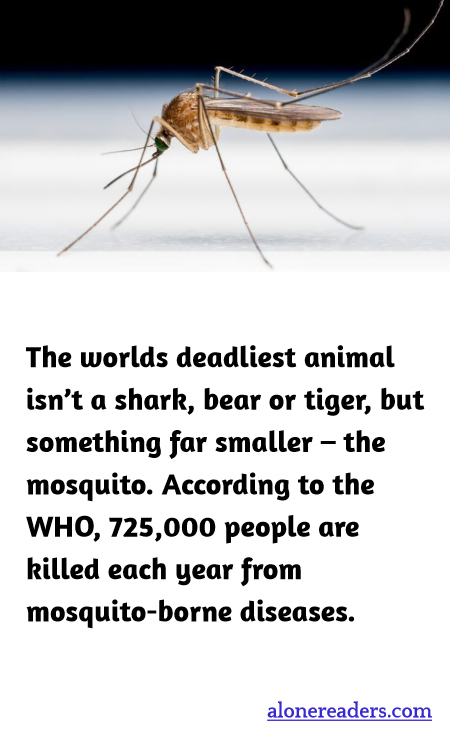
The mosquito, often overlooked as merely a nuisance, holds a much more sinister title: the world's deadliest animal. While the fear of sharks, bears, or tigers may dominate popular culture, these creatures are far less deadly than the diminutive mosquito. Responsible for an astounding 725,000 deaths each year, mosquitoes lead the charge in mortality rates compared to other animals, largely due to the diseases they carry and transmit to humans.
These tiny insects are vectors for a slew of devastating diseases including malaria, dengue fever, Zika virus, West Nile virus, and yellow fever. Malaria alone accounts for a significant percentage of these deaths. The World Health Organization reports that in 2019, there were approximately 229 million cases of malaria worldwide, leading to over 400,000 deaths, predominantly among children in Africa. Unlike other animal attacks that result in immediate injury or death, the danger from mosquitoes comes from their ability to spread disease over wide areas, affecting large populations.
Efforts to control the mosquito population and reduce the incidence of these diseases include the use of insecticide-treated bed nets, indoor spraying with insecticides, and various strategies to eliminate standing water where mosquitoes breed. Moreover, scientific advancements are contributing new tools in the fight against these deadly creatures. For instance, genetically modified mosquitoes that are unable to transmit diseases are being tested in some regions, and vaccines for diseases like dengue are being developed and gradually implemented.
Despite these efforts, the battle against mosquito-borne diseases remains a major public health challenge, particularly in tropical and subtropical regions where climate conditions favor mosquito breeding. As global travel and climate change potentially expand the habitats suitable for mosquitoes, the task of controlling their impact continues to be a priority for public health officials worldwide.
Understanding the scale of threat mosquitoes pose underlines the critical need for continued research, funding, and global cooperation in combating the diseases transmitted by the world's deadliest animal. The fight against mosquito-borne diseases is not only about mitigating immediate health threats but also about improving quality of life and economic productivity in affected regions. Conquering this tiny adversary is a monumental public health endeavor that requires combined efforts on multiple fronts.