More About This Card
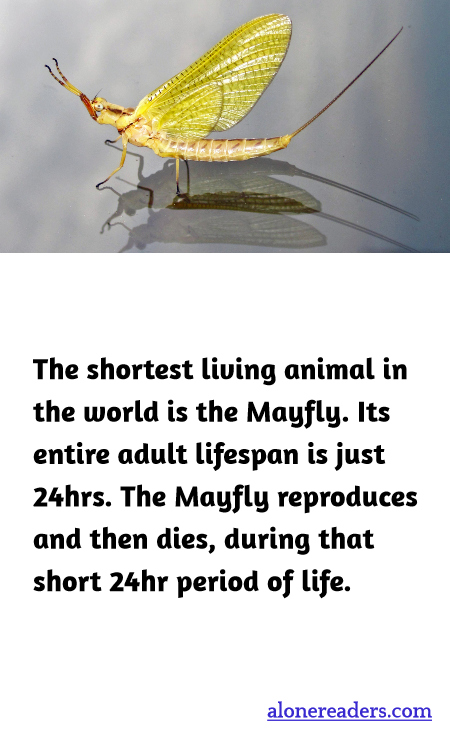
Mayflies are indeed among the most ephemeral of creatures when it comes to their lifespan. Known scientifically as ephemeroptera, which is derived from the Greek word "ephemeros" meaning "lasting a day," mayflies epitomize the transience of life in the animal kingdom. These delicate insects have the shortest adult lifespan of any known animal, living for approximately 24 hours, though some species may live for two days and some only a few minutes.
The life cycle of a mayfly is fascinating. It begins as an egg laid on the surface of freshwater bodies. The eggs sink to the bottom and hatch into nymphs, which remain underwater, undergoing numerous molts and living from one up to three years in this juvenile stage. During this time, the nymphs play a crucial ecological role, acting as both predators and prey in their aquatic ecosystems. They feed on algae, detritus, and other small aquatic organisms while serving as a vital food source for fishes and other aquatic predators.
When the nymph stage is complete, the mayfly emerges from the water in a mass event called a hatch, which can involve millions of individuals and becomes a feeding frenzy for fish and birds. After reaching the surface, the mayflies undergo a final molt into their adult form—a process that happens astonishingly quickly, often within seconds. As adults, they do not possess functional mouthparts; therefore, they cannot eat. Their sole purpose during this final stage of life is reproduction.
Male mayflies engage in a mating dance to attract females, swarming in large groups to increase their chances of reproduction. After mating, females lay their eggs on the surface of the water, often while still in flight. Shortly after these critical acts of mating and egg-laying, both male and female mayflies die, having expended their energy in a frantic, single-minded quest to ensure the survival of their species.
The brevity of the mayfly's adult life has made it a symbol of fleeting beauty and the impermanent nature of life. It also highlights an incredible efficiency in nature’s designs—where the life cycle is intricately adapted to fulfill essential ecological roles within a specific niche. For biologists and ecologists, studying mayflies can provide insights into the health of aquatic ecosystems and changes in environmental conditions, since they are highly sensitive to pollution and changes in water quality. Thus, the mayfly, while short-lived, plays a long-lasting role in our understanding and appreciation of the natural world and the interconnectedness of life.